
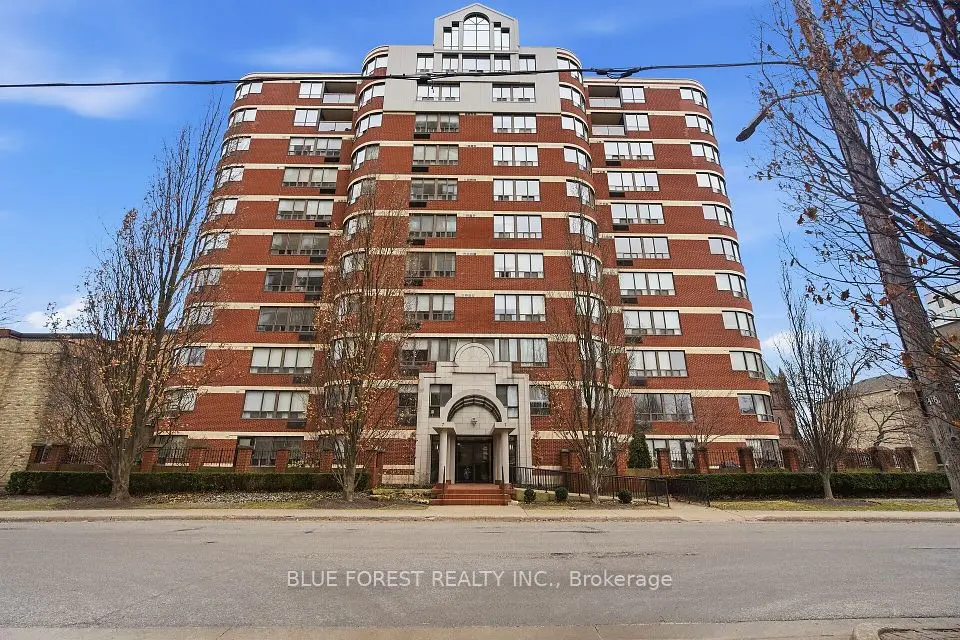
New
$322,700
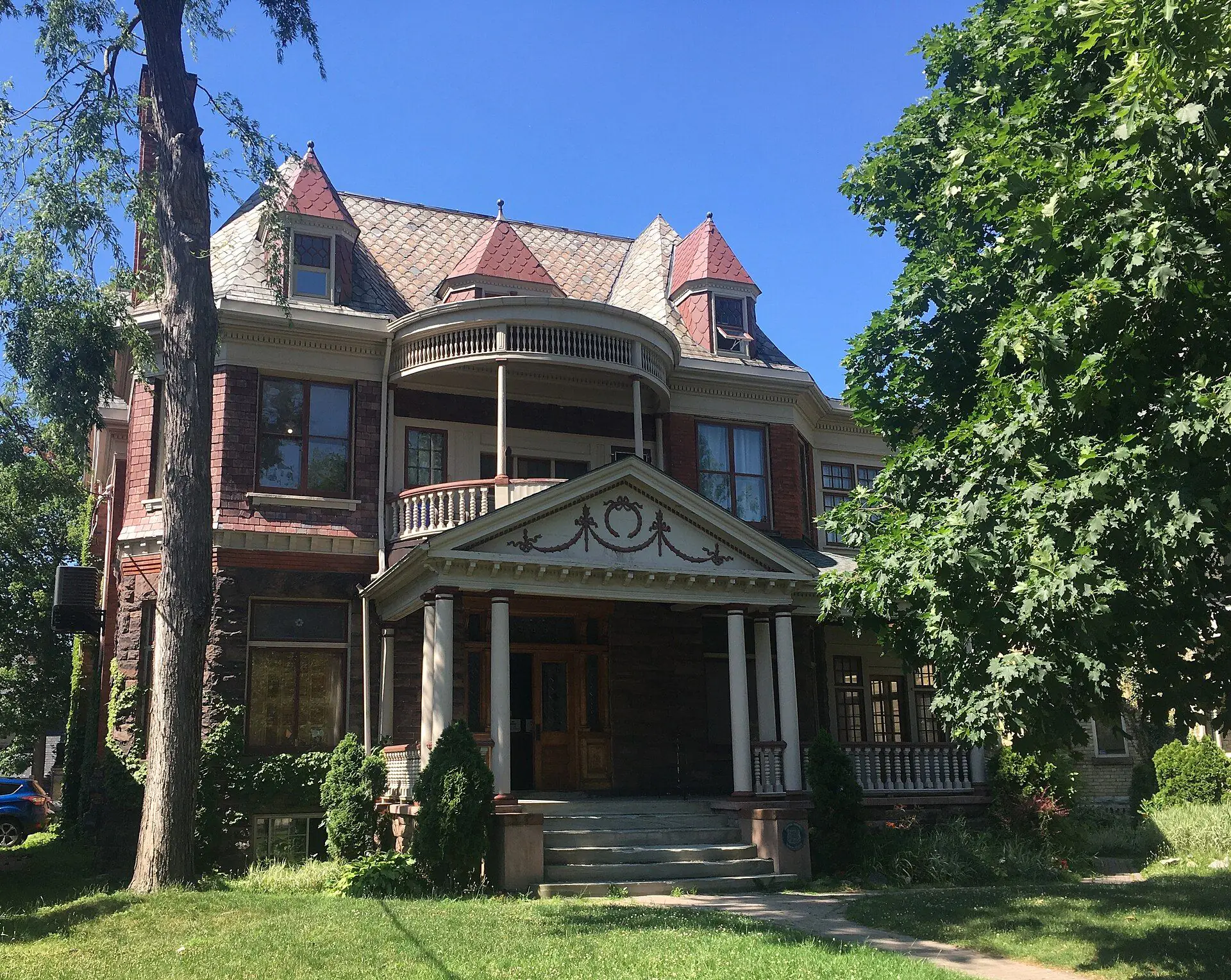
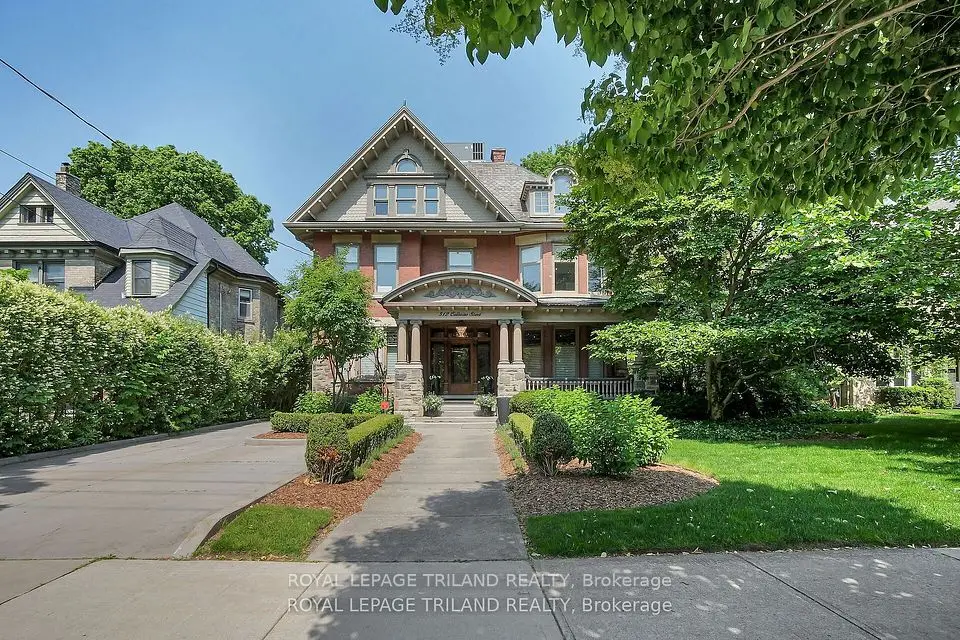
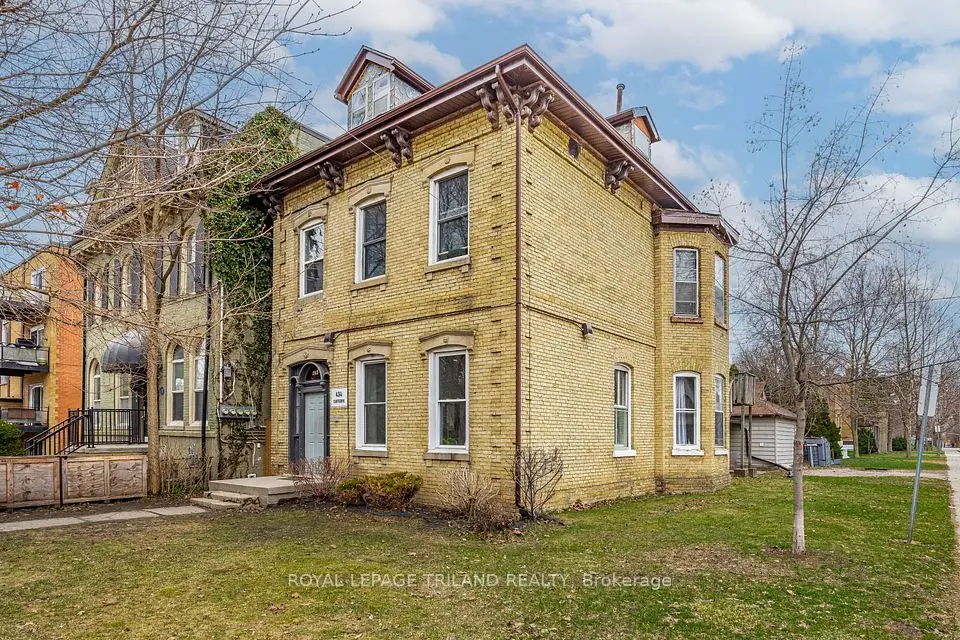
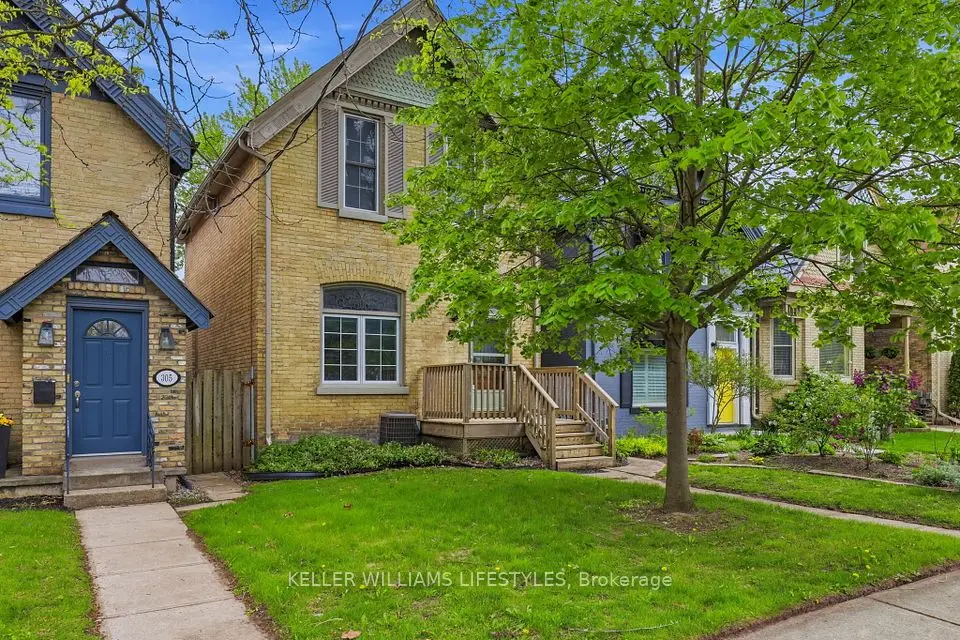
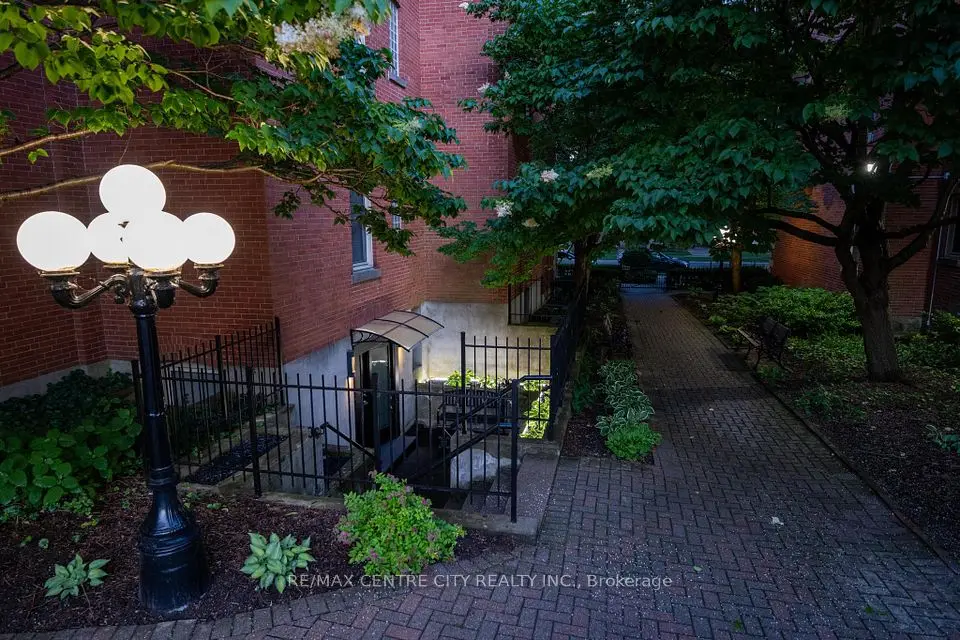
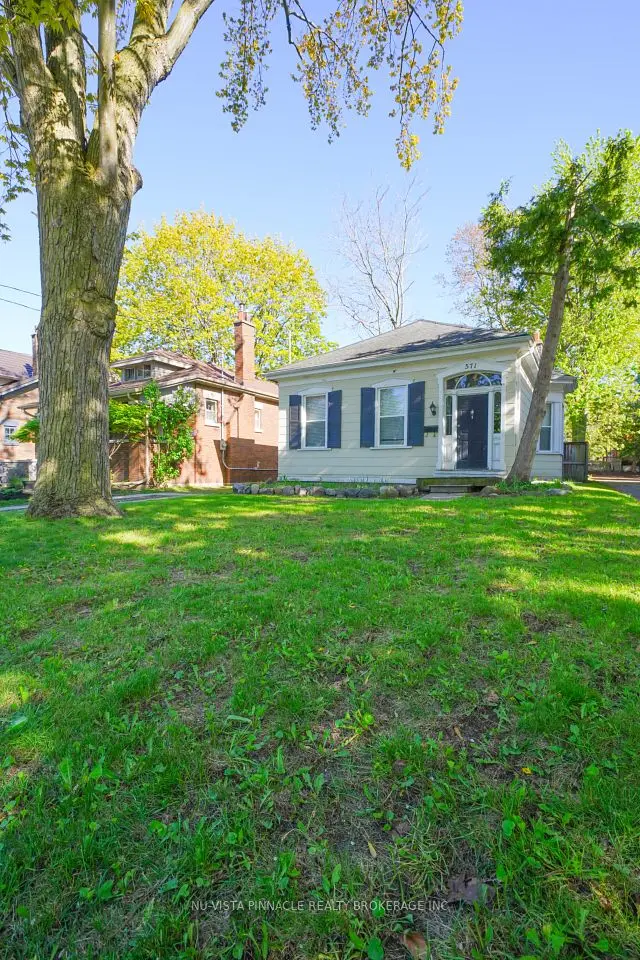
Showing 1-9 of 9 active listings
Browse Woodfield by home type
Listing data provided under copyright by the London and St. Thomas Association of REALTORS® and other participating boards via PropTx Amplify Syndication. Information is deemed reliable but not guaranteed accurate. Only active listings are shown.
Woodfield's lots were surveyed in 1840, after London was incorporated and its boundary pushed east to Adelaide Street. A handful of people and institutions received large blocks, and most had registered plans of subdivision by 1855. The City's heritage page adds that several early estates drew wealthy Londoners here, and that the Grand Trunk Railway formed the neighbourhood's southern edge.
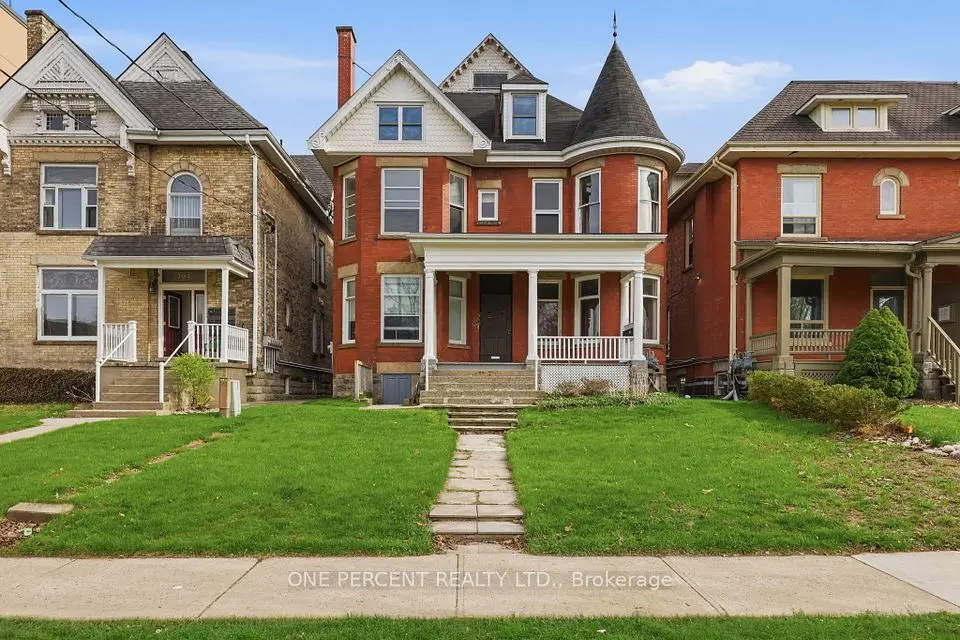
Building came in two waves, according to the West Woodfield plan: a burst of mostly one-storey frame houses in the 1860s and 1870s, then, from the 1880s to about 1914, a second round that carved up the big lots for the brick houses that set the tone today. The most sought-after lots faced Victoria Park, laid out in the late 1870s on part of a reserve the British army used as a base from 1838 to 1870, followed by the Western Fair and the local militia. By 1914 many of the city's business and political leaders lived here.
East Woodfield's entry on the Canadian Register of Historic Places names Bishop Benjamin Cronyn, brewery founder Thomas Carling and Sir Adam Beck among past residents, and lists three mansions, The Pines, Lauriston and Bleak House, among its character-defining elements.
The City describes the wider neighbourhood as running from Richmond Street to Adelaide Street and from Queens Avenue up to the CPR tracks. Most of it is protected by two heritage conservation districts that meet around Maitland Street, and when we say Woodfield, we mean those two districts.
The West Woodfield plan credits many houses to Robinson, Durand and Moore, which it calls the city's leading architectural firm of the period. It also notes smaller houses with stained glass and porches north of Princess Avenue and east of Colborne Street, first occupied by clerks, skilled labourers and travellers, many of whom worked for nearby neighbours.
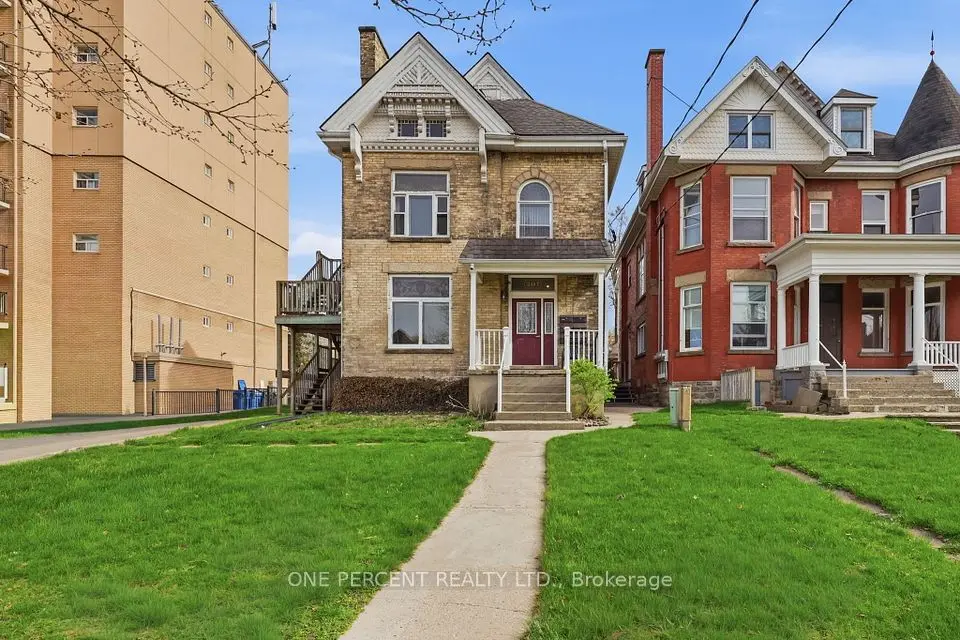
Mostly older houses, many of them changed inside. The City's neighbourhood page says a few Woodfield houses date from the 1840s, most were built between the late 1800s and early 1900s, and a few newer townhouses and mid- and high-rise apartment buildings sit among them. The West Woodfield plan notes offices and institutions have been converting houses since as early as 1905, and that significant early apartment buildings blend in across the district.
In West Woodfield every property carries a rating. Well-preserved examples of a style are rated A or B, altered buildings that still contribute to the streetscape are C, and buildings with irreversible alterations are D. The rating sets the level of heritage review, so ask for it early. The plan's inventory shows the range, from an 1869 frame Ontario cottage on Colborne Street to an Italianate brick double house from about 1873 on Wolfe Street.
If a condo apartment near the park suits you better, start with condos for sale in London and ask for the status certificate before you firm up. What's for sale in Woodfield takes in both districts.
Designation under Part V of the Ontario Heritage Act covers exteriors, not interiors, unless a house is also individually designated under Part IV. In West Woodfield, the homeowner guide's chart requires a heritage alteration permit for the following on A, B and C rated properties:
Additions out of sight of the street, interior renovations, like-for-like re-roofing, eavestroughs, soffits and fascias, and repainting wood trim need no permit there.
East Woodfield's district plan works from the same principle, requiring a permit for changes that would materially affect a building's character. It names new windows, painting whole masonry walls, new cladding, solar panels, sandblasting and replacing slate or wood shingles with asphalt, while in-kind asphalt shingles and ordinary eavestroughs are not treated as alterations.
In both districts, applications that fit the plan can be approved by City staff, and the permit must be in hand before a building permit is issued. Before you write an offer, read up on what changes when you buy in a heritage conservation district.
The West Woodfield plan calls Victoria Park a central feature of the district and of London as a whole, and recommends replanting the double row of sugar maples that was meant to frame it. The park, at 580 Clarence Street, has paved paths, washrooms and an outdoor rink, and the City's neighbourhood page adds that it hosts many large festivals in summer and festive lights and a skating rink in winter. City Hall and Centennial Hall face it across the street.
If you are weighing a house that faces the park, walk the block on a festival weekend and again on a winter evening before you firm up an offer. Those are the two moments that tell you whether park-side living suits you.
Many residents do most things on foot. The City's neighbourhood page places Woodfield within walking distance of the downtown, Richmond Row and Old East Village shopping districts. As the crow flies, the Central Library at 251 Dundas Street is about 0.5 km from the middle of Woodfield, the VIA Rail station at 205 York Street about 0.8 km, and Middlesex College on Western's main campus about 3 km.
London Transit buses run through the district and along Richmond Street at its western edge; check LTC for current routes and times. Downtown London begins just south and west, the Old East Village starts across Adelaide Street, and the Bishop Hellmuth streets of Old North start just north of Oxford Street. If you're still deciding, see how Woodfield compares with London's other neighbourhoods.
London Central Secondary School (Thames Valley District School Board) is inside West Woodfield at 509 Waterloo Street, beside City Hall. For other grades, the City's neighbourhood page points families to St. George's Public School (TVDSB, 782 Waterloo Street, in Old North), St. Michael Catholic Elementary School (London District Catholic School Board, 926 Maitland Street) and Catholic Central High School on Dundas Street. Confirm the assigned schools for any address with the TVDSB and LDCSB school locators, because boundaries change.
A Woodfield purchase is part house, part paperwork. These checks save the most grief.
Something else? Ask Rob or George directly.
It sits in the City's Central London planning district, just northeast of the core. When we say Woodfield, we mean the East and West Woodfield heritage conservation districts; the rest of Central London we treat as downtown.
Not to repaint wood trim. In West Woodfield, painting brick that was never painted needs a permit on A, B and C rated houses, and East Woodfield's plan treats painting a whole masonry wall as an alteration that needs a permit.
Only with a heritage alteration permit in both districts (in West Woodfield, on A, B and C rated houses). The City's supplementary heritage guidelines favour repair first, but show replacements that match the original style, size and pane pattern, including some vinyl units, as options that may be appropriate.
No. District designation covers the exterior only. Interior work comes under heritage review only if the house is also individually designated under Part IV of the Ontario Heritage Act.
Yes. The City's description of the West Woodfield Heritage Conservation District includes Victoria Park along with its roughly 500 properties, and the district plan sets guidelines for the park, including replanting its historic double row of sugar maples.
Call Rob or George directly, or send a message and one of them will get back to you. A home evaluation is free and prepared by a person, never a formula.