
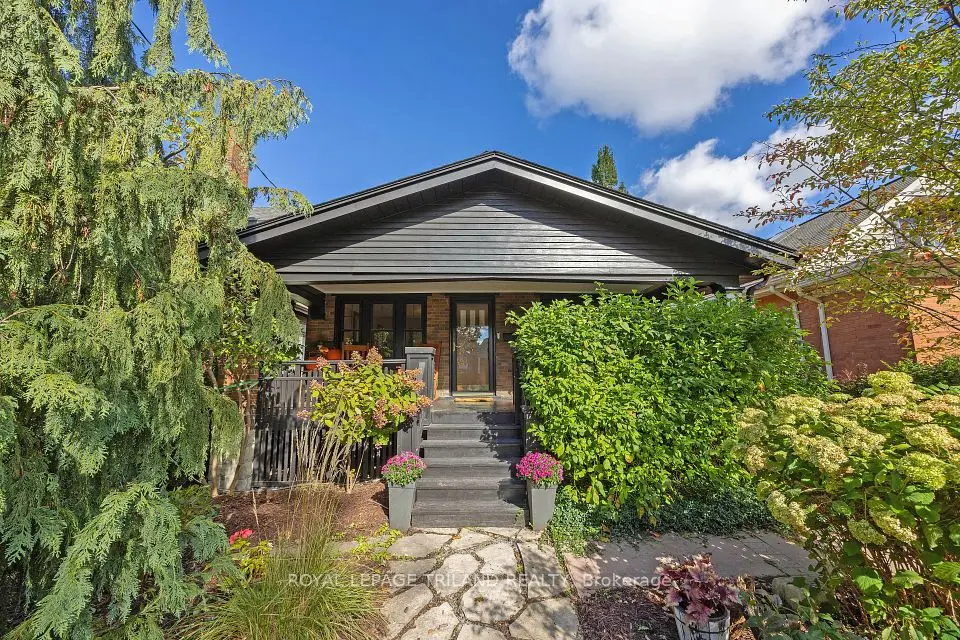
$749,900
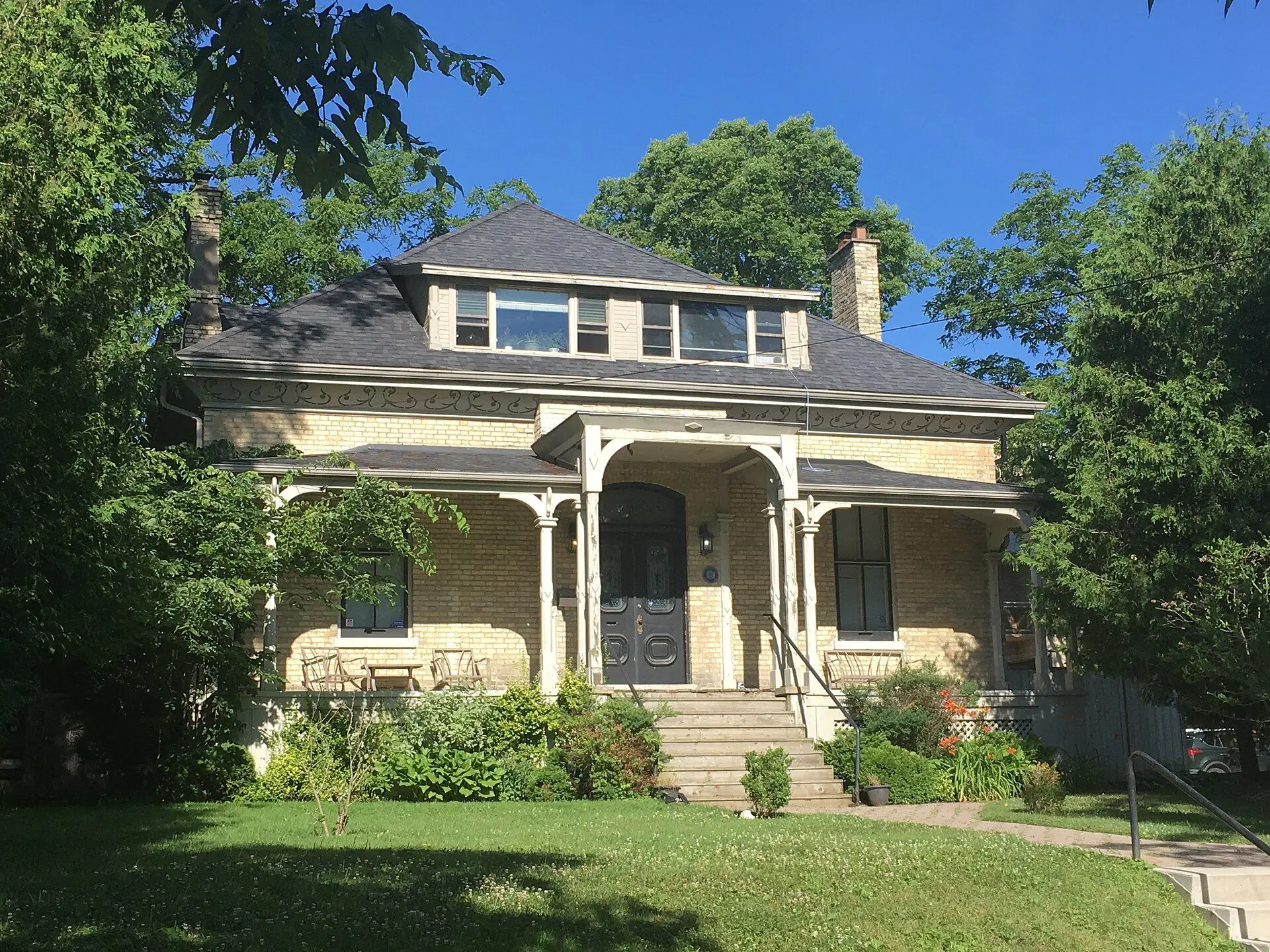
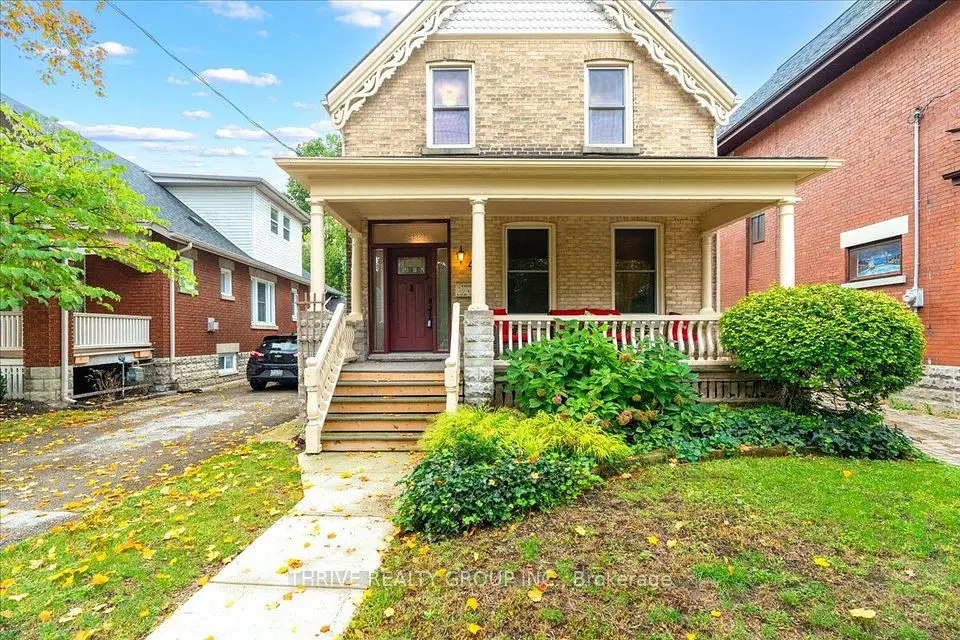
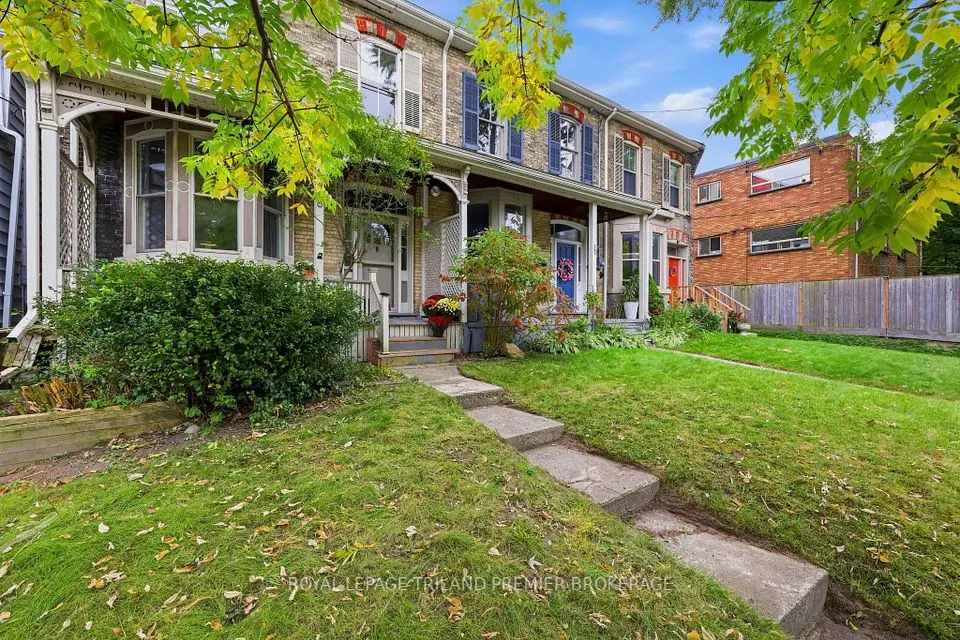
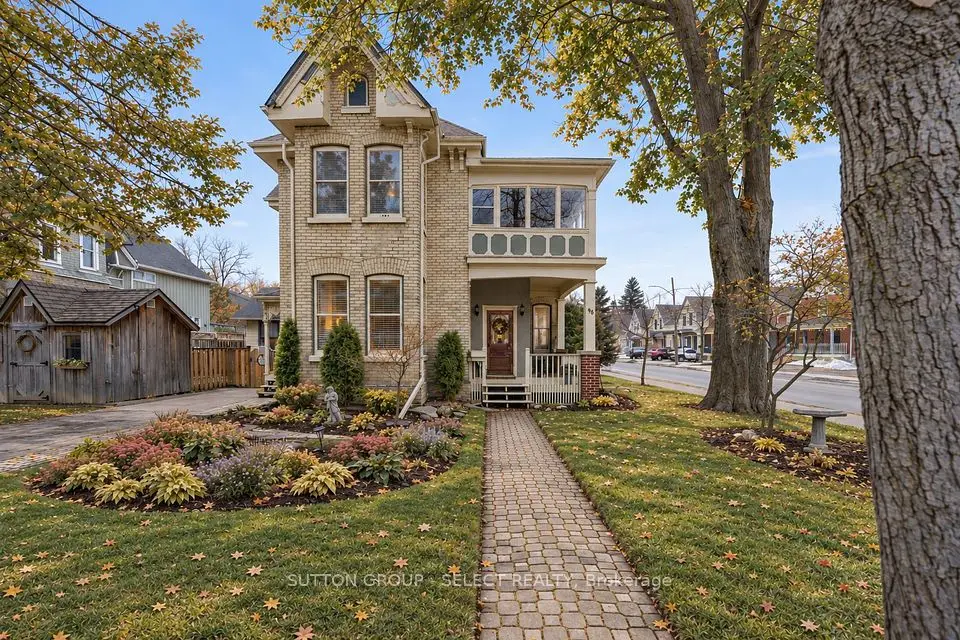
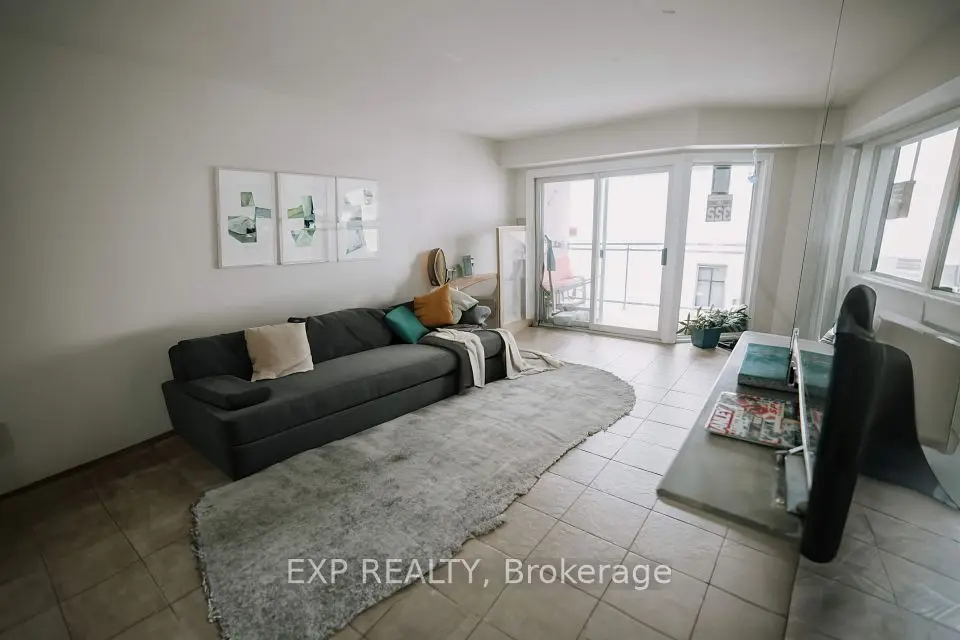
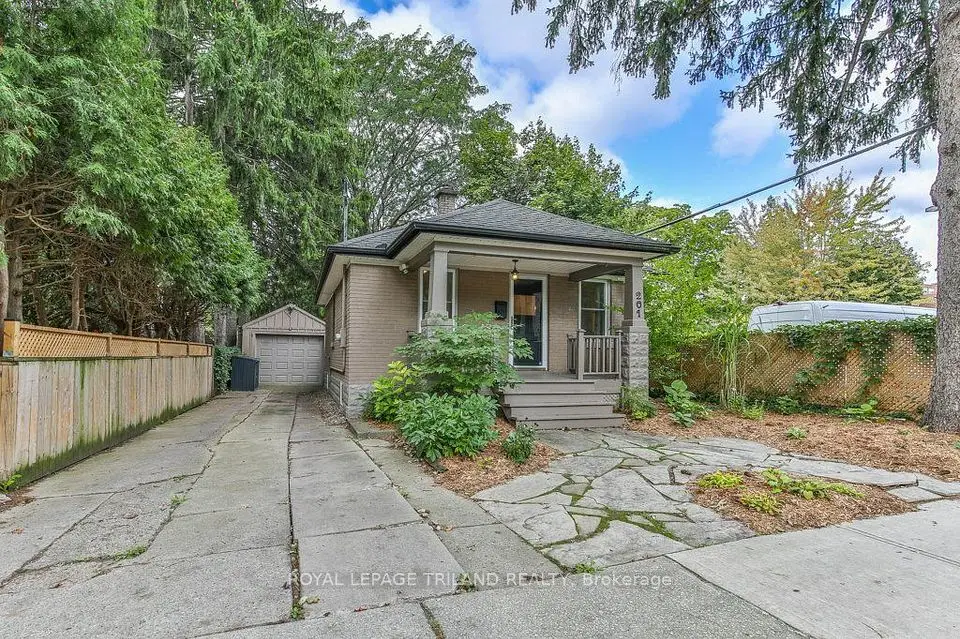
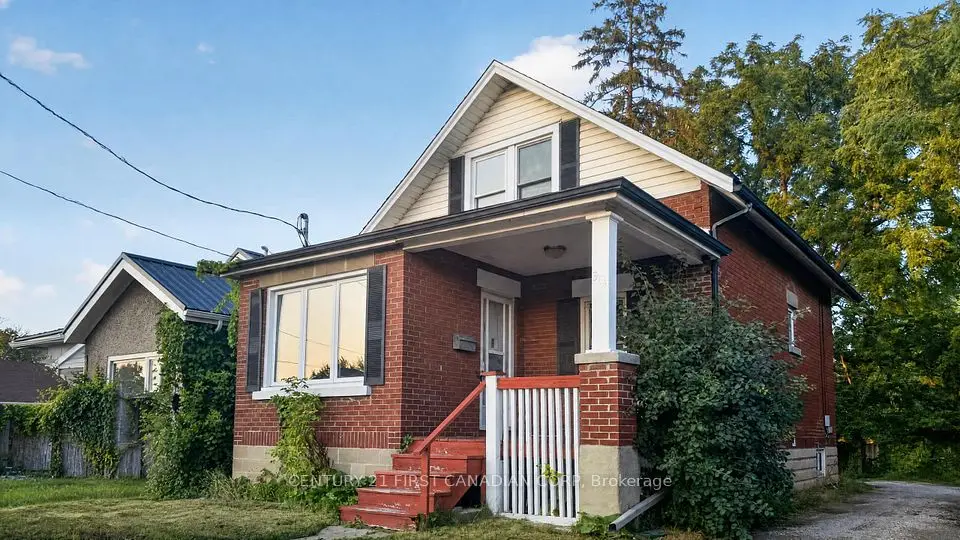
Showing 1-9 of 9 active listings
Browse Old South (Wortley Village) by home type
Listing data provided under copyright by the London and St. Thomas Association of REALTORS® and other participating boards via PropTx Amplify Syndication. Information is deemed reliable but not guaranteed accurate. Only active listings are shown.
Because for most of the 1800s it sat outside the city. The land south of the Thames sat in Westminster Township while the town grew up on the north bank. The City's heritage plan for the area describes it first as a place of country estates for London's well-off families, then as a middle-class suburb of large houses built by successful local business owners and more modest homes for civil servants and tradespeople. An 1888 newspaper article quoted in the plan praised its "splendid residences" and "magnificent grounds".
Much of the area south of the river was annexed to the City in 1890, and the plan notes that shops began appearing among the houses on Wortley Road in the early 1870s. By 1915 most streets had a recognizable suburban look, and the neighbourhood had largely reached its present built form before the Second World War. The same plan credits Wortley Road's slightly informal mix of converted houses and purpose-built shops with giving the village its relaxed, walkable feel. The landmark is the former London Normal School at 165 Elmwood Avenue, once a teachers' college and now a YMCA, whose grounds are the gathering place for the Old South Community Organization.
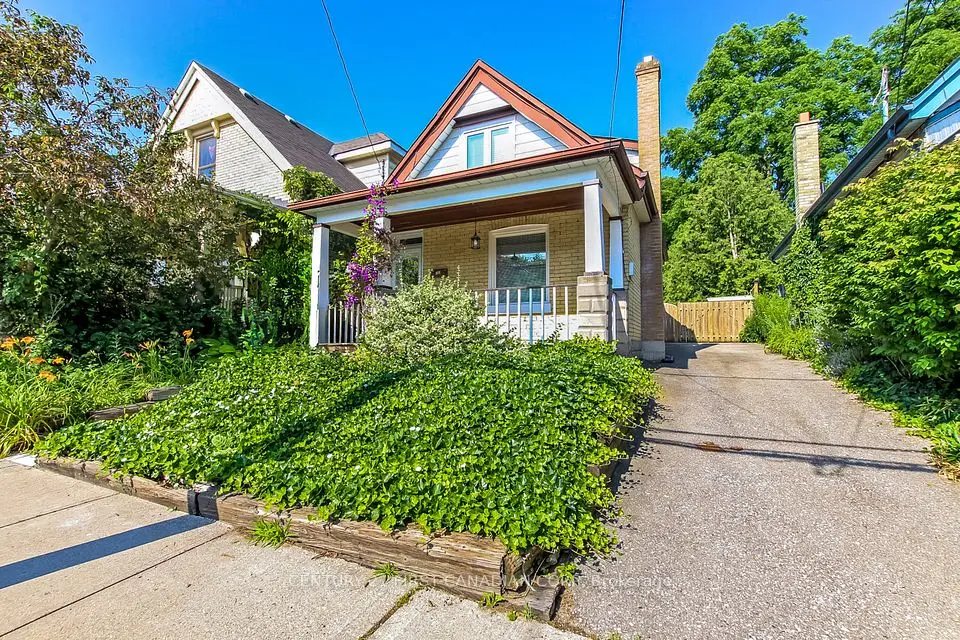
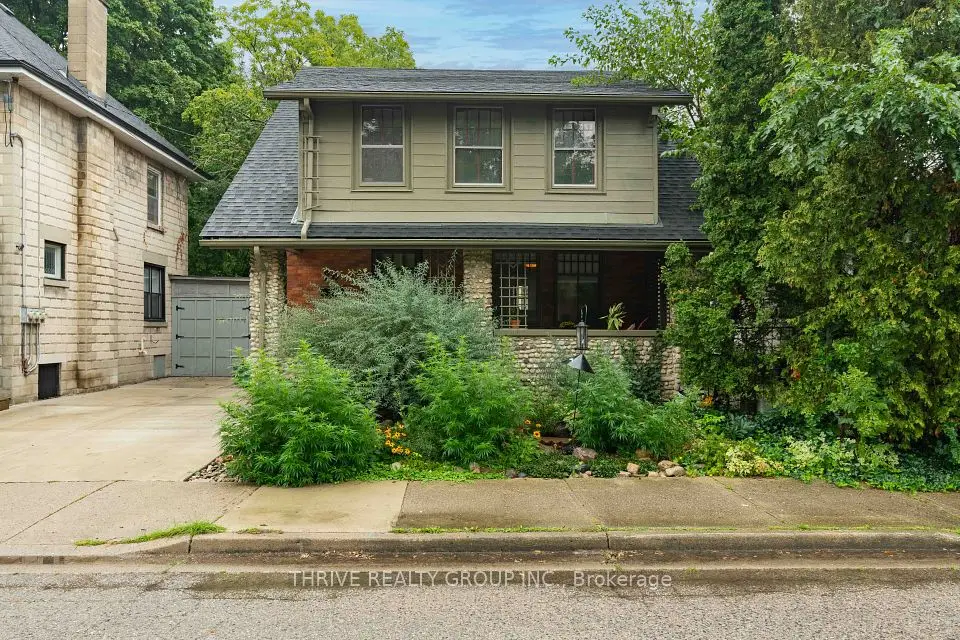
Inside the heritage district you are mostly looking at houses from roughly 1850 to 1930: one-storey cottages and larger two-storey houses, most of them built of brick or stone, on a tight grid of streets such as Elmwood Avenue, Askin Street, Cathcart Street, Bruce Street, Duchess Avenue and Tecumseh Avenue East. Mature trees on the boulevards and in front yards give most of these streets an enclosed, shaded feel, which the heritage plan singles out as part of the district's character.
The planning district is bigger than the village. It runs from Wharncliffe Road South across to Wellington Road and beyond, taking in streets like Grand Avenue, High Street, Carfrae Crescent, Whetter Avenue and the blocks near Victoria Hospital. That wider area is why the 2016 census profile shows a real mix: about 40% of occupied dwellings were single-detached houses, 29% were apartments in buildings under five storeys, 18% were in buildings of five or more storeys, 7% were duplex units, 4% row houses and 2% semi-detached. About 46% of households owned their home and 54% rented.
In practice that means a buyer here can choose between a detached heritage house near Wortley Road, a duplex or a converted house with a rental unit, and a condo apartment closer to Wellington Road. Ask us which of those are on the market today, or look through what's for sale in Old South yourself.
Council adopted the Wortley Village-Old South Heritage Conservation District on September 18, 2014 and it was designated under Part V of the Ontario Heritage Act on June 1, 2015. The City describes it as generally bounded by Beaconsfield Avenue to the north, Thames Park and the west side of Ridout Street South to the east, both sides of Duchess Avenue and Tecumseh Avenue East to the south, and the properties east of Wharncliffe Road South (not those fronting on Wharncliffe). Both sides of Wortley Road are included almost to Briscoe Street East. The plan counts about 1,030 properties and ranks each building A, B, C or D.
The plan's permit table is the part buyers should read. A Heritage Alteration Permit is needed for new buildings, additions visible from the street (including visible HVAC or solar equipment), demolition, and, depending on the building's ranking, visible changes such as replacing windows or doors, altering a porch or verandah, painting brick that has never been painted, and changing cladding. Interior renovations, re-roofing with the same material, eavestroughs, soffits and fascia, storm windows and ordinary maintenance do not need one. The City's supplementary heritage guidelines add that D-ranked and non-contributing properties generally only need a permit for demolition or a new building, and that permits consistent with the plan can usually be approved by staff under delegated authority.
Read up on how buying in a heritage conservation district works before you write an offer, and reach the City's Heritage Planners through london.ca with questions about a specific house.
The Thames Valley District School Board has four schools inside the planning district: Wortley Road Public School (301 Wortley Road), Tecumseh Public School (401 Tecumseh Avenue), Victoria Public School (130 Wharncliffe Road South, which the heritage plan calls the district's western landmark) and London South Collegiate Institute (371 Tecumseh Avenue). The London District Catholic School Board runs St. Martin (140 Duchess Avenue) and Holy Rosary (268 Herkimer Street).
Attendance areas are drawn by address and they change. TVDSB itself says its boundaries can't be guaranteed, so always run the exact address through the TVDSB and LDCSB school locators, or call the board, before you rely on a particular school.
Thames Park at 15 Ridout Street South sits on the river at the district's northeast edge, with four tennis courts, a play structure, a picnic shelter and a community garden. The Thames Valley Parkway, the City's 45-kilometre paved multi-use trail, follows the river from there, so a walk or ride to the Forks and the downtown parks is straightforward. Smaller neighbourhood parks on Duchess Avenue and Victor Street, both named in the heritage plan, serve the residential blocks, and the lawn beside the Normal School, known as The Green, hosts community events.
East of Wellington Road, Rowntree Park on Whetter Avenue adds a ball diamond, a tennis court and a spray pad.
Covent Garden Market is roughly 1.2 km from the middle of Wortley Village as the crow flies. London Transit buses run through the village and along Ridout Street South, Wharncliffe Road South and Wellington Road; check LTC for current routes and times.
VIA Rail's London station is downtown at 205 York Street.
Day to day, most errands happen on Wortley Road: the heritage plan describes it as the social and commercial hub of the wider neighbourhood, with independent shops and restaurants in a mix of old houses and newer buildings. The London Public Library's Landon branch is at 167 Wortley Road, and the Normal School houses a YMCA.
For health care, London Health Sciences Centre's Victoria Hospital and Children's Hospital is at 800 Commissioners Road East, inside the planning district's southeast corner and about 2.6 km from the village as the crow flies.
A few local checks save headaches here, and they are the ones we run with buyers:
If you already own here and are wondering what your house would bring, we'll do a home evaluation by hand, not by algorithm. If you're still deciding, compare Old South with the rest of London or the quieter streets west of Wharncliffe in Southcrest.
Something else? Ask Rob or George directly.
Not quite. Wortley Village is the commercial and historic heart around Wortley Road. Old South is the broader City planning district (named South London), which also covers the streets east to Wellington Road and around Victoria Hospital. Our Old South listings follow that district line, so they include those streets too.
It depends on the building's ranking. The plan requires a Heritage Alteration Permit to replace windows or doors on A-, B- and C-ranked buildings where they are visible from the street or a park; repairs to their authentic condition, storm windows and interior work do not need one. Check the ranking and talk to a City Heritage Planner first.
The City's heritage plan says much of the area south of the Thames, then part of Westminster Township, was annexed to London in 1890.
In the 2016 census profile about 46% of households owned and 54% rented. The rental share comes largely from apartment buildings and converted houses, while many of the heritage streets are owner-occupied detached homes.
London Transit buses run through the village itself and along Ridout Street South, close to Thames Park. Check LTC for current routes and times.
Across Wharncliffe Road, Southcrest has more apartment and townhouse stock, and to the south the Highland district borders Old South. Downtown condos are a short walk over the river.
Call Rob or George directly, or send a message and one of them will get back to you. A home evaluation is free and prepared by a person, never a formula.