
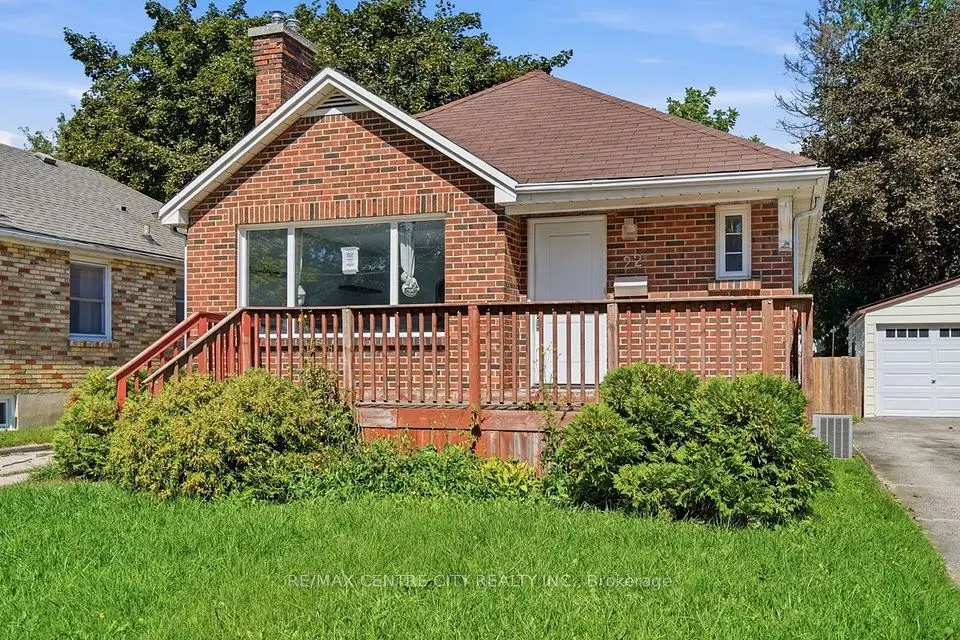
New
$399,900
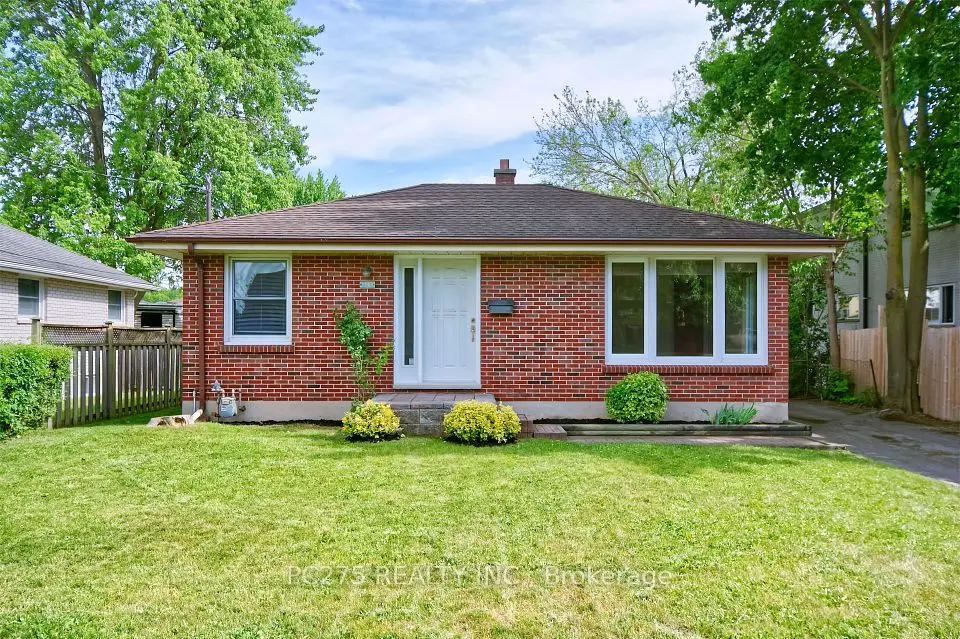
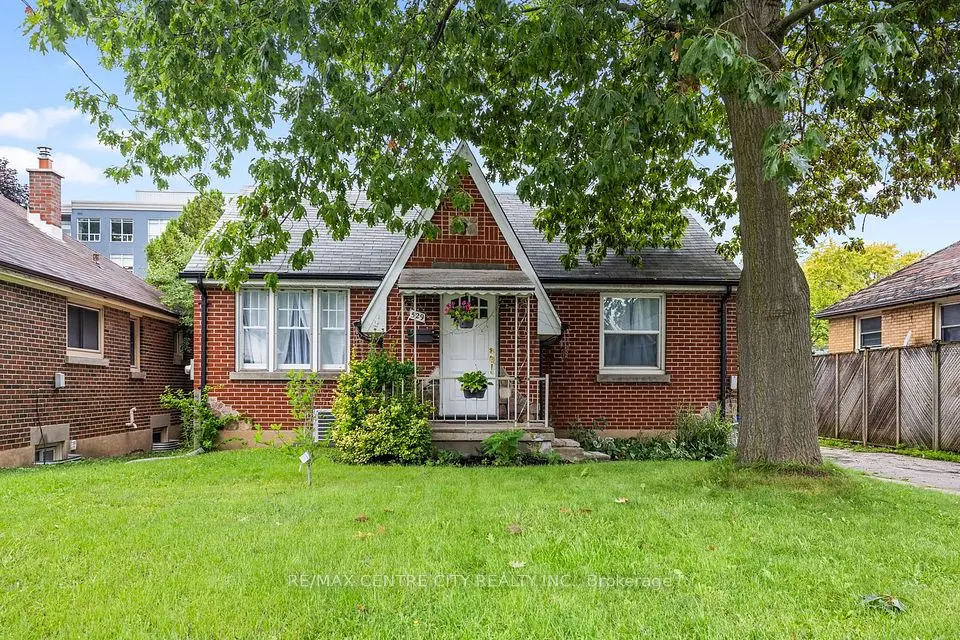
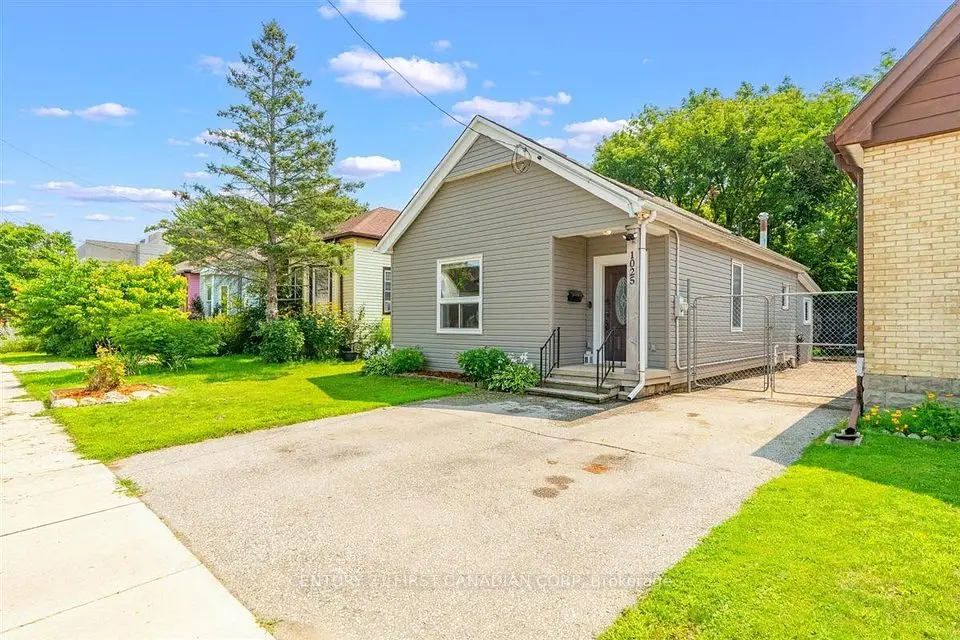
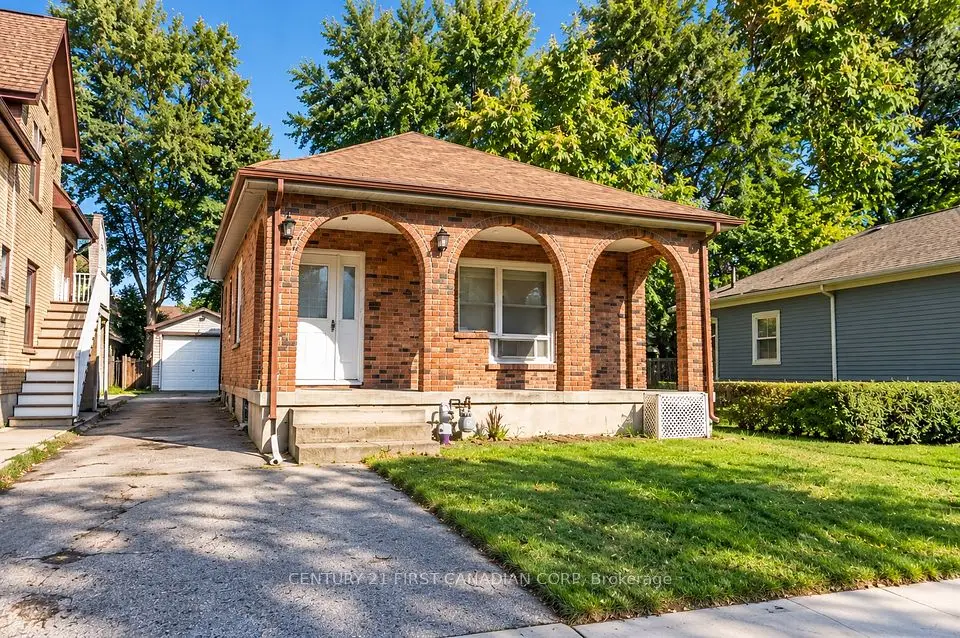
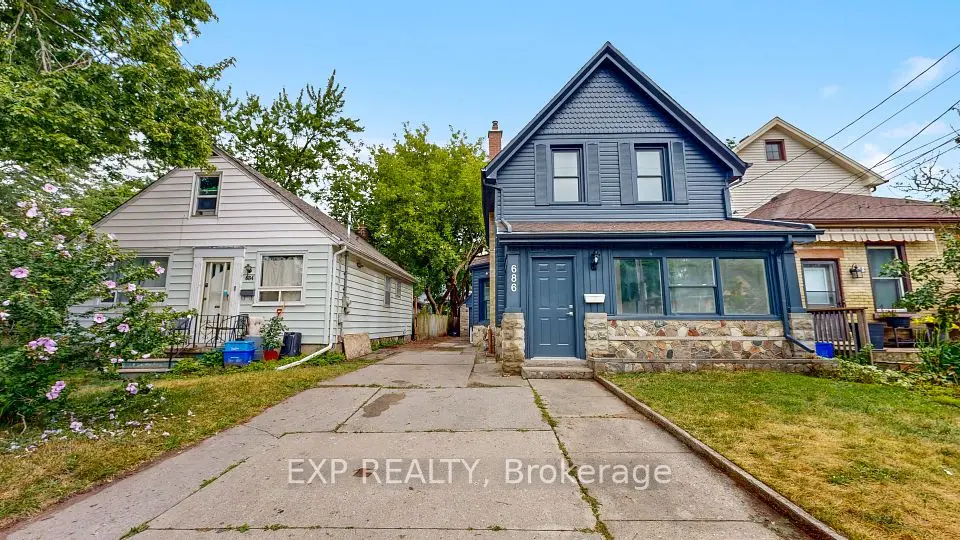
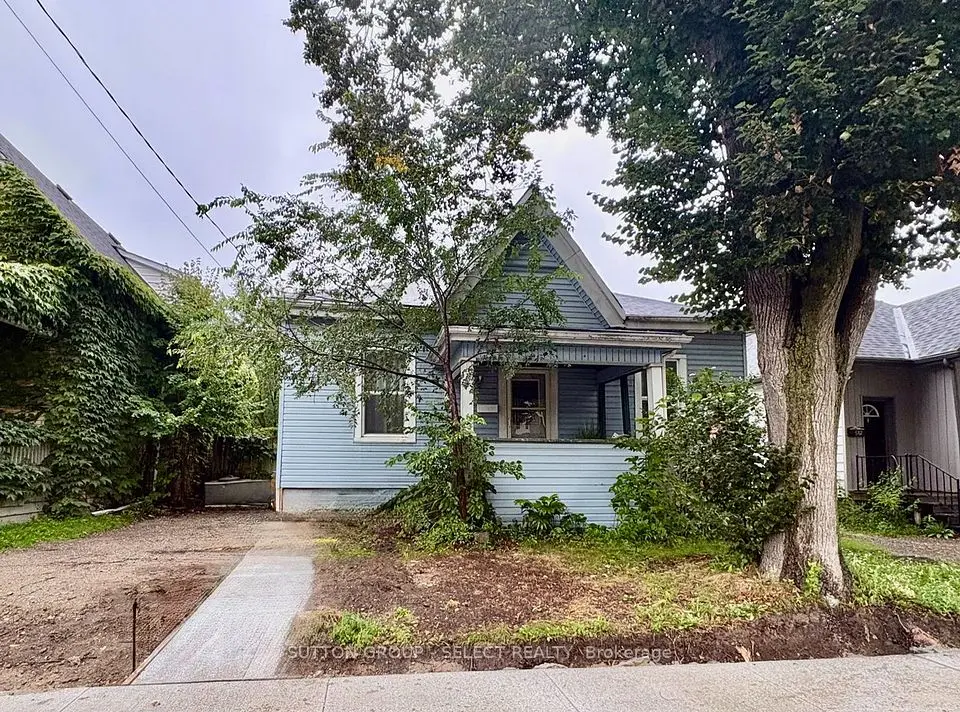
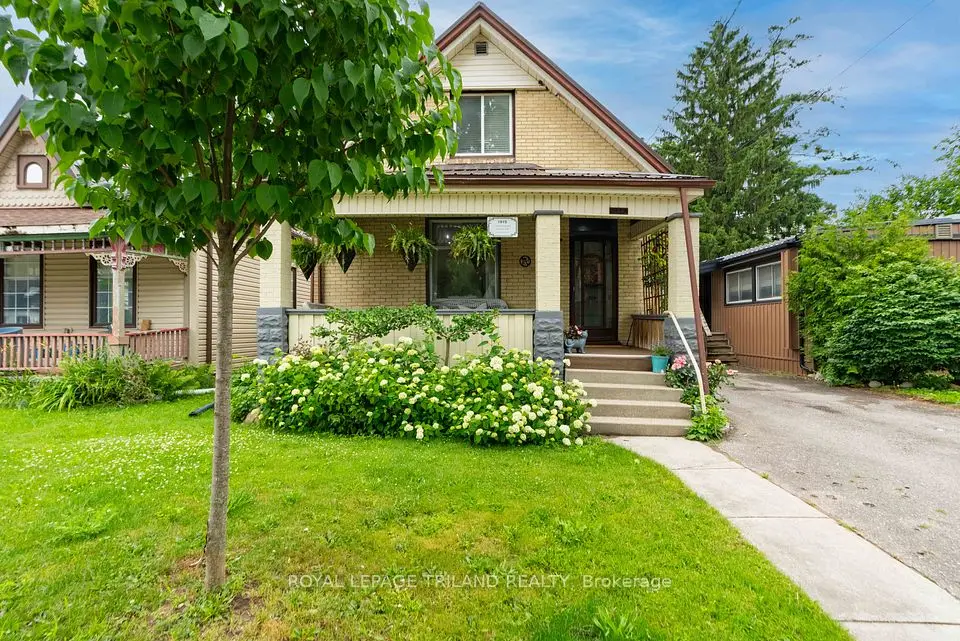
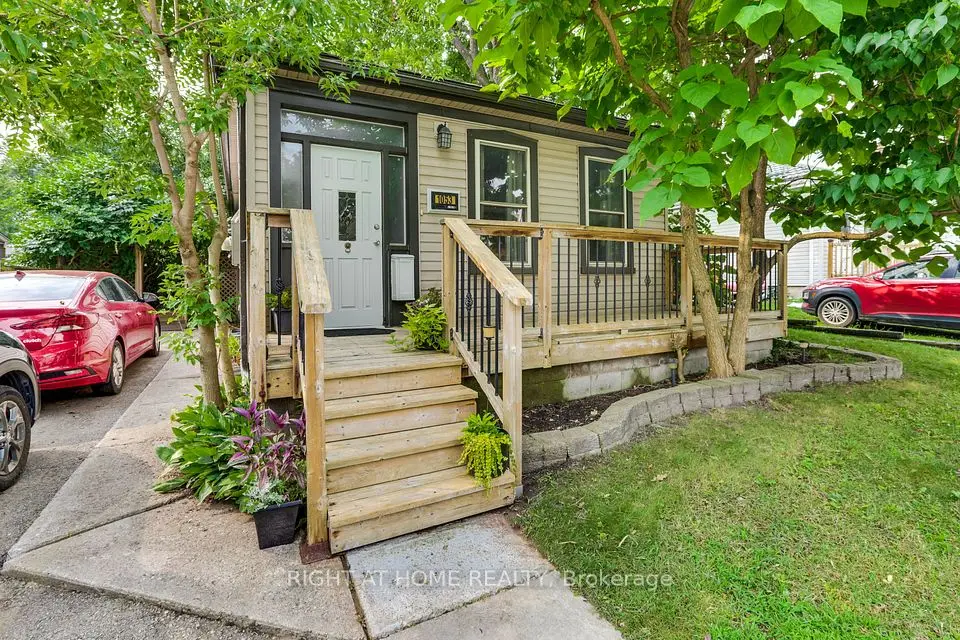
Showing 1-9 of 9 active listings
Browse Old East Village by home type
Listing data provided under copyright by the London and St. Thomas Association of REALTORS® and other participating boards via PropTx Amplify Syndication. Information is deemed reliable but not guaranteed accurate. Only active listings are shown.
Until 1885, Adelaide Street was the eastern edge of London. Beyond it grew London East, an industrial community that traces its start to a foundry Murray Anderson opened in 1856. After oil was discovered in Lambton County in 1858, refineries went up east of Adelaide; the London Public Library's plaque program counts as many as 52 refineries in London from the early 1860s onward.
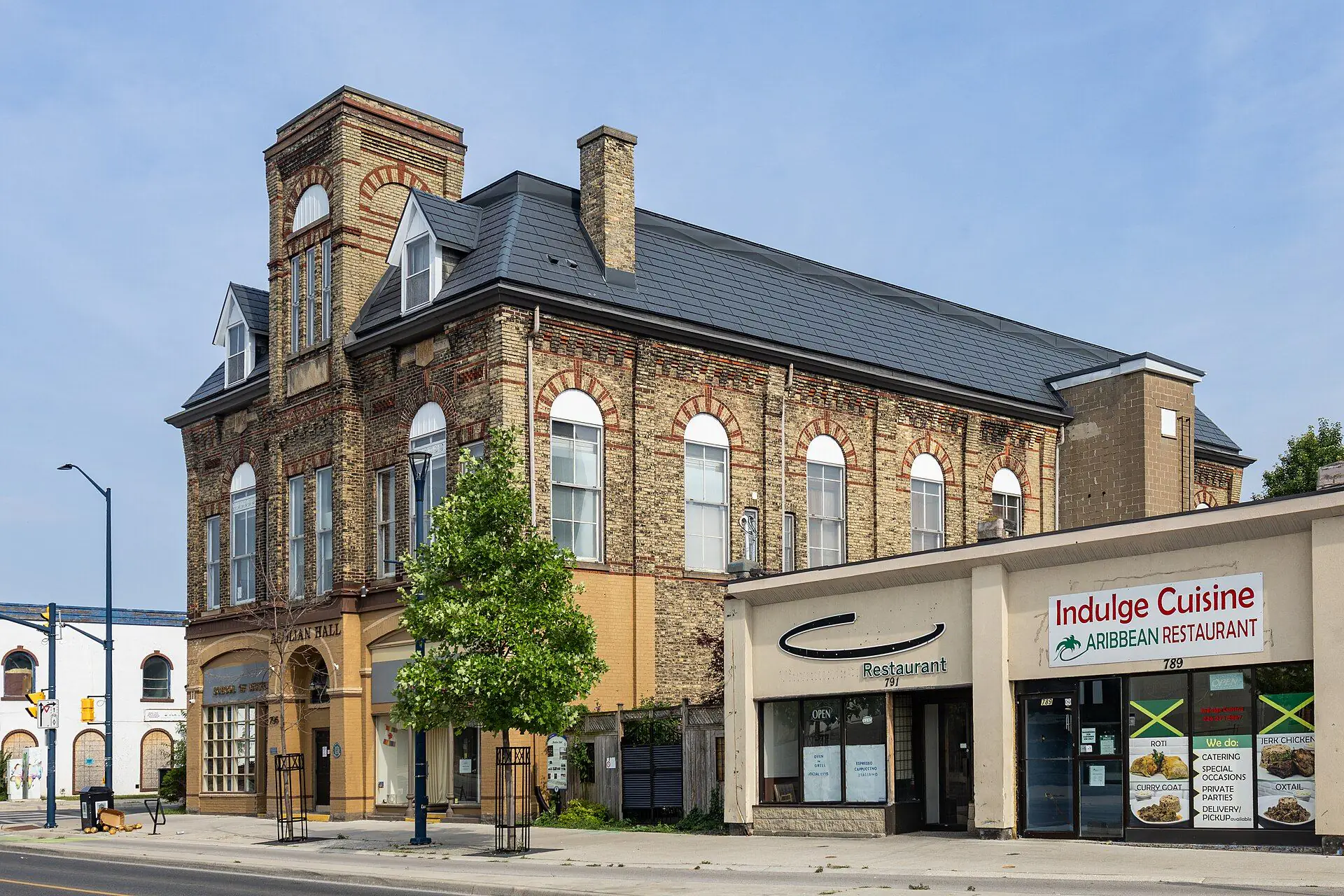
London East became a village in 1874 and a town in 1883. When the Great Western Railway carshops burned in 1884, residents led by Mayor Charles Lilley voted to join London, and the merger took effect in 1885. That left the new town hall at 795 Dundas Street, designed by George F. Durand, without a council. It is the Aeolian Hall today, a performing arts venue.
Most of the residential blocks east of Adelaide are protected by the Old East Heritage Conservation District, designated by the City in 2006 under Part V of the Ontario Heritage Act. The City describes it as more than 1,000 properties, and its 2006 plan called it the largest heritage district in London. The plan draws the boundary at Quebec Street on the east, Queens Avenue on the south and Elias Street on the north, taking in the houses east of Adelaide Street (but not those facing Adelaide itself) plus one block of Central Avenue.
The plan dates the district to 1860 to 1930, with most homes built before 1915 for families who worked in the nearby railway shops, refineries and factories, much of it on land Noble English subdivided in 1856 and 1872. Three styles dominate: the symmetrical one-storey Ontario Cottage with a steep gable over a centred door, compact Queen Anne houses (larger two-storey versions sit on corner lots) and plainer vernacular houses, some with Tudor or Craftsman details.
Walk Lorne Avenue or English Street and you will see the four features the plan singles out: carved wood trim in street-facing gables, front porches and verandahs, stained glass in transoms and arched windows, and doors and windows that fill narrow facades. Lots are generally narrow, with one- to two-storey houses close to the sidewalk under mature boulevard trees.
The City's planning map uses a wider frame than the heritage district. Its East London planning district runs from Adelaide Street North past Highbury Avenue to the Kiwanis Park valley, between the CP rail line on the north and the CN line on the south. That adds the Western Fair grounds, the Dundas Street shops and a band of postwar streets east of Highbury. Cronyn Crescent there honours Benjamin Cronyn, one of eight former mayors whose names were chosen in November 1950 for a new housing development near Hale and Trafalgar streets, according to the London Heritage Council.
The City's neighbourhood profile, using 2016 Census data, counted 5,495 occupied homes: 47% single-detached houses, 24% in apartment buildings under five storeys, 14% in buildings of five or more storeys, 11% duplexes and small shares of semis and row houses. Renters (51%) slightly outnumbered owners (49%). Units in five-plus-storey buildings jumped from 205 in 2011 to 760 in 2016, so the district was already adding apartments alongside its cottages.
Two big factory sites sit at the east end of the Dundas strip. McCormick's moved its plant to 1156 Dundas Street in 1914; it closed in January 2007. The former Kellogg's plant is now 100 Kellogg Lane, home to the London Children's Museum, the Canadian Medical Hall of Fame and a Hard Rock Hotel.
The London Plan treats Dundas from the edge of downtown to Quebec Street as a Main Street segment. The City rebuilt the stretch from Adelaide to Ontario Street in 2020 and 2021: wires went underground, sidewalks widened, 100 trees were planted and a separated eastbound cycle lane was added.
The Old East Village BIA represents the independent businesses along the strip; its own research in 2013 named one-of-a-kind shopping, food and drink, and arts and culture as the area's economic drivers. Two stages anchor the arts side: the Palace Theatre Arts Commons at 710 Dundas, which stages community theatre seasons, and the Aeolian Hall at 795 Dundas.
South of Dundas lies the Western Fair District. The Western Fair Association was formed in 1867 from two agricultural societies, and its grounds now hold The Raceway, a sports centre, the J-AAR Expo Centre, The Grove food incubator and a casino, plus The Market at 900 King Street: a weekend market on two floors, with produce, meat and fish on the ground floor and makers upstairs.
The 2006 plan found no park at all inside the heritage blocks beyond the paved yard of Lorne Avenue Public School. Today the former school site is Lorne Avenue Park, with a wooden playground, a community stage, a sensory garden and the old school's late-1800s bell.
Beyond that are Queen's Park at 925 Dundas Street, Boyle Park on Princess Avenue and the Boyle Memorial Community Centre at 530 Charlotte Street, and the district's eastern edge runs into Kiwanis Park, a chain of park parcels with multi-use paths along the Pottersburg Creek valley. The Carson branch of the London Public Library is at 465 Quebec Street.
Two elementary schools sit inside the East London planning district: St. Mary Choir and Orchestra Catholic School at 347 Lyle Street (London District Catholic School Board) and Académie de la Tamise, a French-language public elementary school at 1260 Dundas Street (Conseil scolaire Viamonde). The Thames Valley District School Board serves these streets too.
Attendance areas change, so confirm the designated elementary and secondary school for a specific address with each board's school locator before you firm up an offer.
Adelaide Street is the line between this district and the City's Central London district, which holds downtown, and the VIA Rail station at 205 York Street is about 2 km from Lorne Avenue Park as the crow flies. London Transit buses run along Dundas, King and York streets into the core and east toward Argyle Mall and Fanshawe College; check LTC for current routes and times.
Fanshawe's main campus is about 3.2 km from Lorne Avenue Park as the crow flies. If you want to compare, Argyle and the Hamilton Road district are next door, and we can show you how the east end stacks up against the rest of London.
A few local checks are worth doing before your conditions come off:
Our team has served London buyers and sellers for over 50 years. If you already own on these streets, a home evaluation is the quickest way to see how your house compares with the homes for sale now.
Something else? Ask Rob or George directly.
Not exactly. The heritage district covers the older blocks between Adelaide and Quebec streets. The City's East London planning district, which our Old East Village listings follow, also takes in the Western Fair grounds, Dundas Street east past Highbury Avenue and the postwar streets out to Kiwanis Park.
Often, yes. Under the 2006 district plan, replacing, removing or adding street-facing windows on a building rated A, B or C needs a heritage alteration permit. Buildings rated D and work that is not visible from the street are treated more lightly. Ask the City's heritage planners which rating a property has before you budget for renovations.
Yes, alongside the cottages. The 2016 Census counted 38% of the district's homes in apartment buildings, and units in buildings of five or more storeys more than tripled between 2011 and 2016. Ask us which condos are for sale today.
Right next to it: Adelaide Street separates the Old East Village from the City's Central London district, which takes in downtown. The VIA Rail station on York Street is about 2 km from Lorne Avenue Park as the crow flies, and several LTC routes run along Dundas, King and York streets into the core.
Duplexes were 11% of occupied homes in the 2016 Census, so they do come up. Confirm the legal unit count, and if you plan to rent the home out, check the City's current rules first.
Call Rob or George directly, or send a message and one of them will get back to you. A home evaluation is free and prepared by a person, never a formula.