
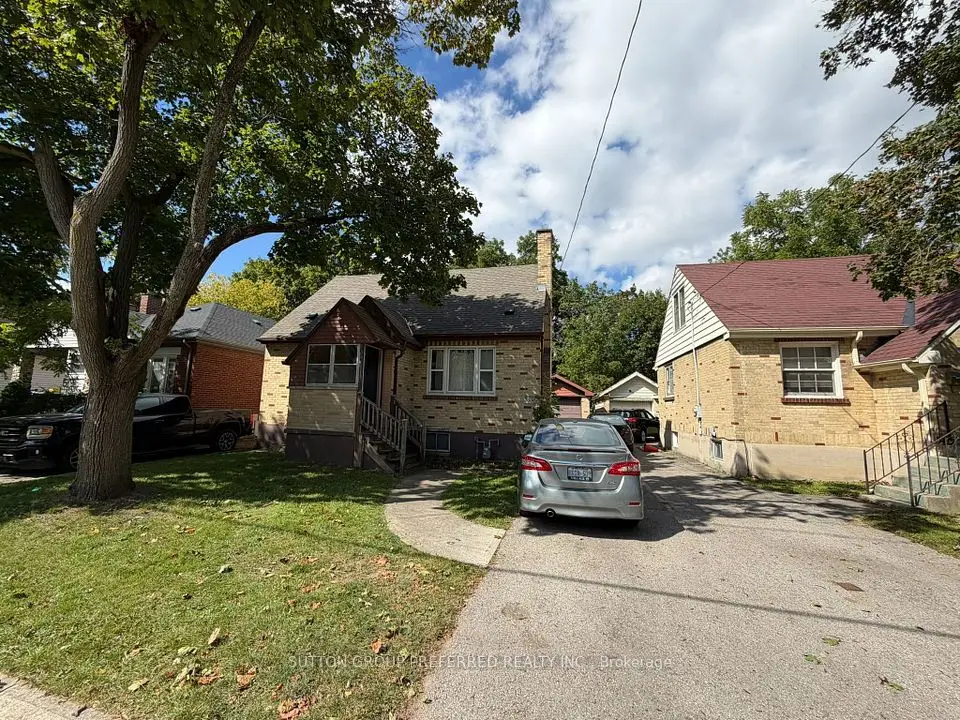
New
$599,900
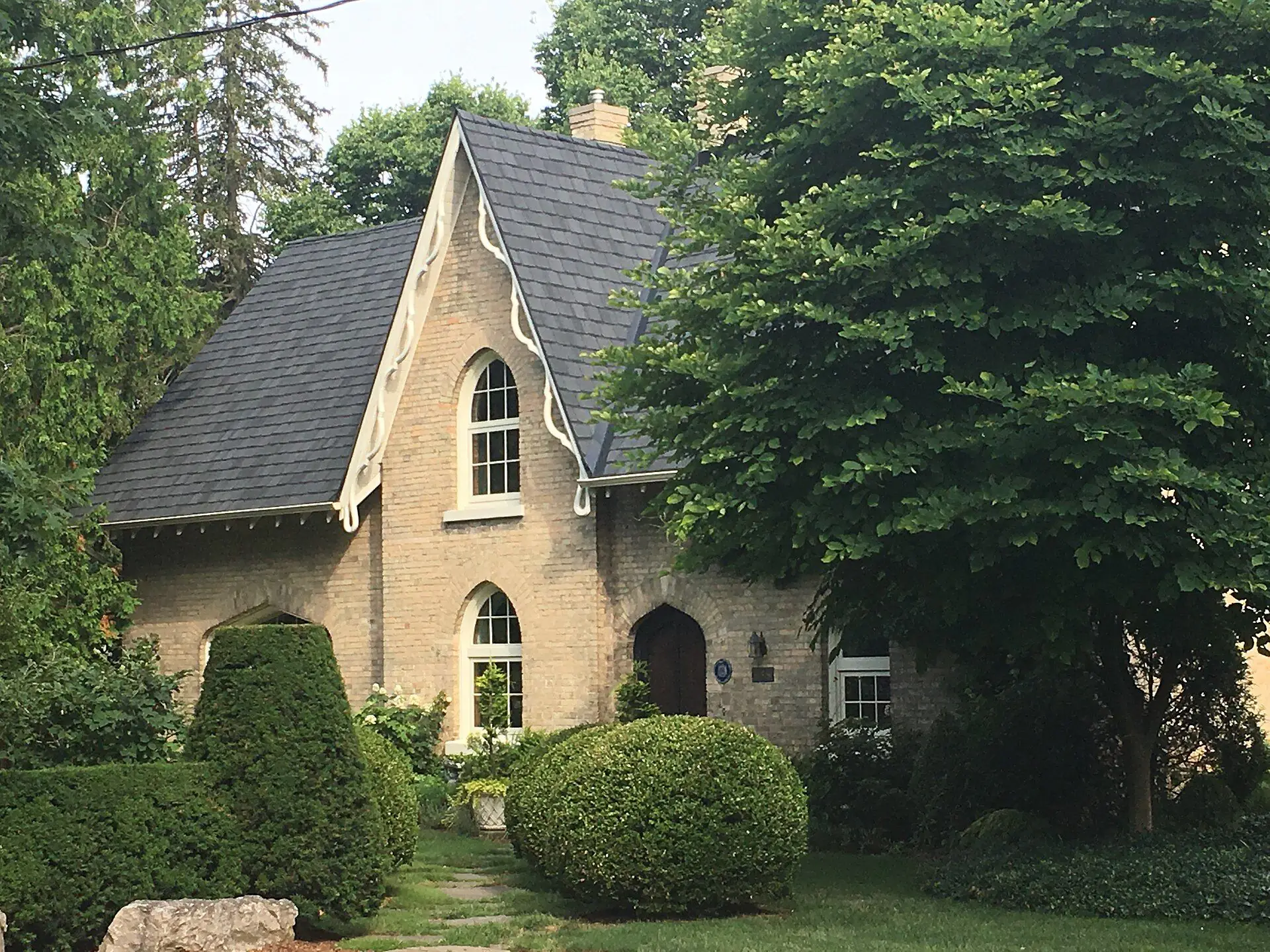
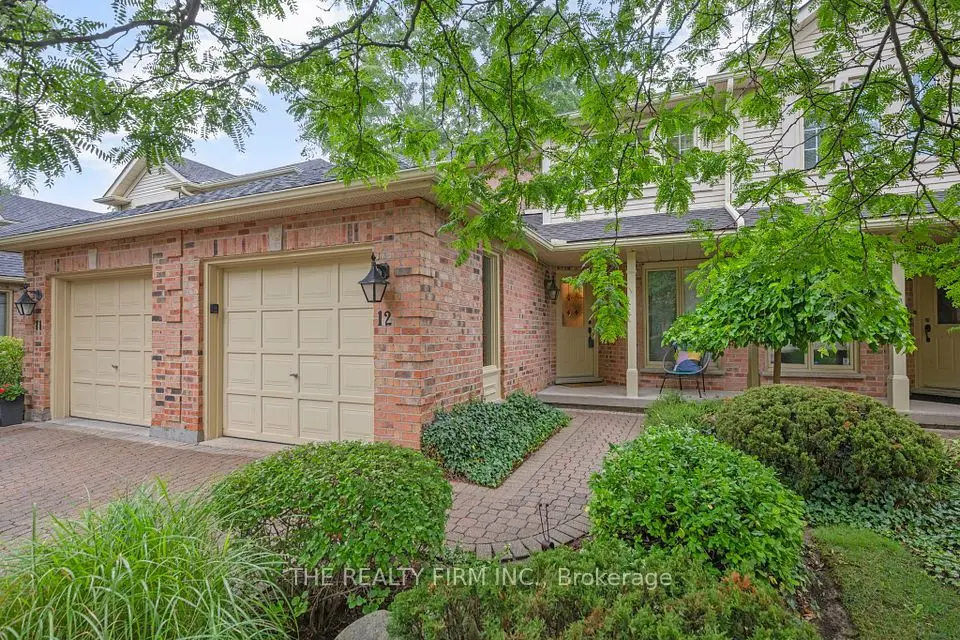
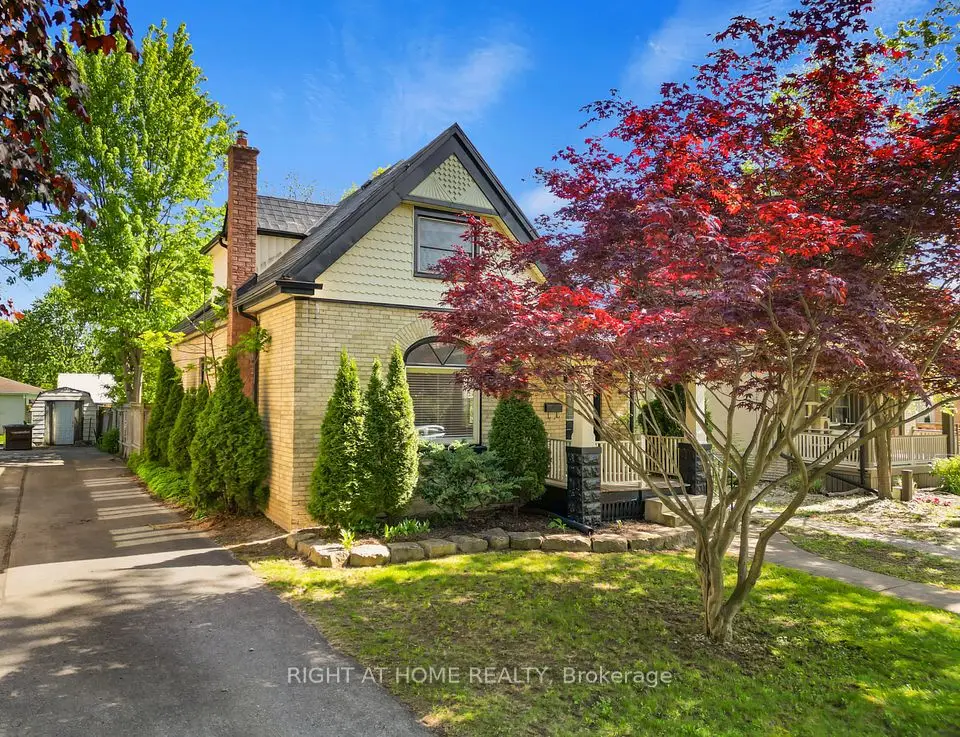
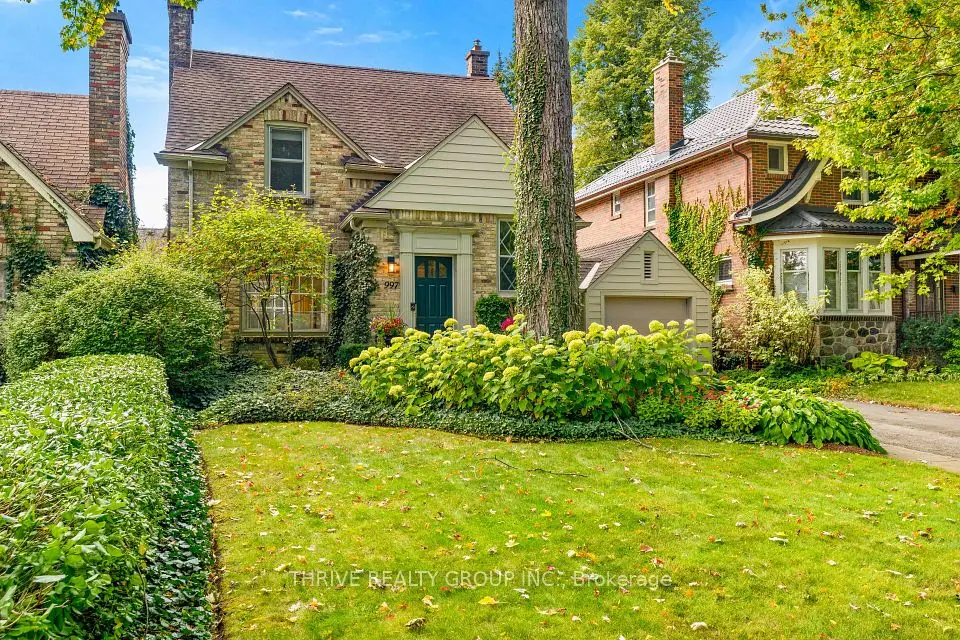
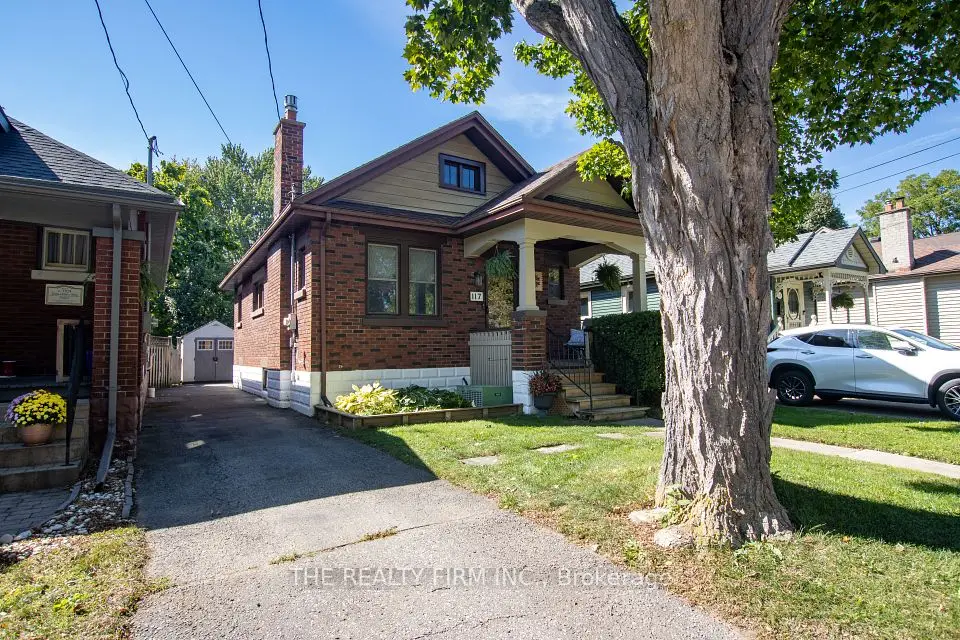
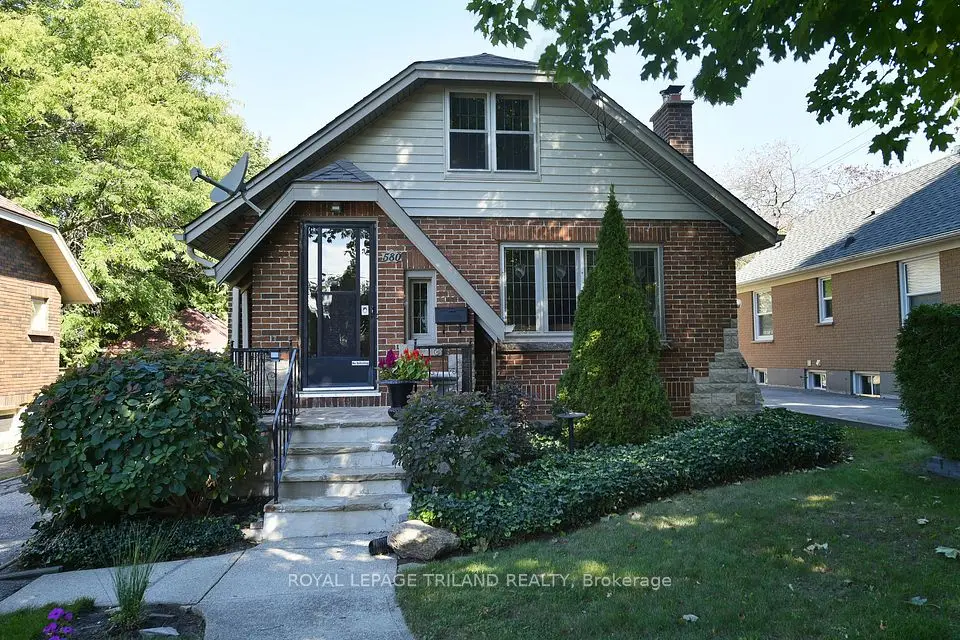
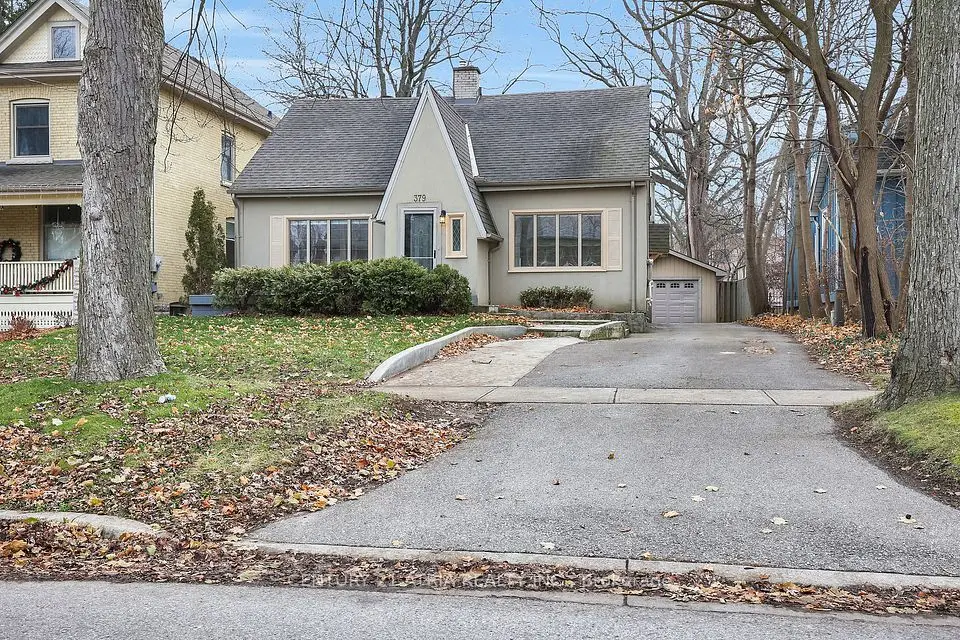
Showing 1-9 of 9 active listings
Browse Old North by home type
Listing data provided under copyright by the London and St. Thomas Association of REALTORS® and other participating boards via PropTx Amplify Syndication. Information is deemed reliable but not guaranteed accurate. Only active listings are shown.
It started as the edge of town. The Carroll survey, adopted formally in 1840 when this land joined London, gave the main streets of the St. George-Grosvenor area (Oxford, Talbot, St. George, St. James, Grosvenor, Richmond and Victoria) rights-of-way of 132 feet, double the standard width. That is why they feel so broad.
The City traces the area's reputation to the 1840s and 1850s, when four prominent Londoners built mansions on the thinly settled land north of Oxford Street. Once the London Street Railway reached up Richmond Street to St. James Street in 1875, merchants, government employees and businessmen followed within five years. Watermains, sewers and electric power arrived between 1898 and 1910, and the blocks between St. James and Cheapside filled in with brick houses by the end of the First World War.
Gibbons Park has its own story: the flats below the escarpment belonged to the Becher family's Thornwood estate until a major 1883 flood cut off an oxbow of the river, and by 1925 the land had passed to the Gibbons family, who gave it to the City.
The City's NeighbourGood London site places Old North between downtown and Western University, with the Thames forming its western and northern boundary, and names three smaller neighbourhoods inside it.
At the 2016 Census the City counted 7,920 residents in the North London planning district, down from 8,540 in 1996, in 3,735 occupied homes. Single-detached houses made up 2,035 of them. Apartments came next: 750 homes in buildings of five or more storeys and 505 in lower buildings, plus 320 duplex units. Ownership sat at 55%, and the rented share climbed from 38% in 2011 to 45% in 2016.
The City's 2016 St. George-Grosvenor study dates the southwest corner: modest mid-1850s to late-1880s dwellings on the block bounded by Great Talbot, St. James, St. George and Oxford, houses built after the First World War on the west side of St. George, and apartment buildings from 1957 to 1970 on former Huron College land by the river.
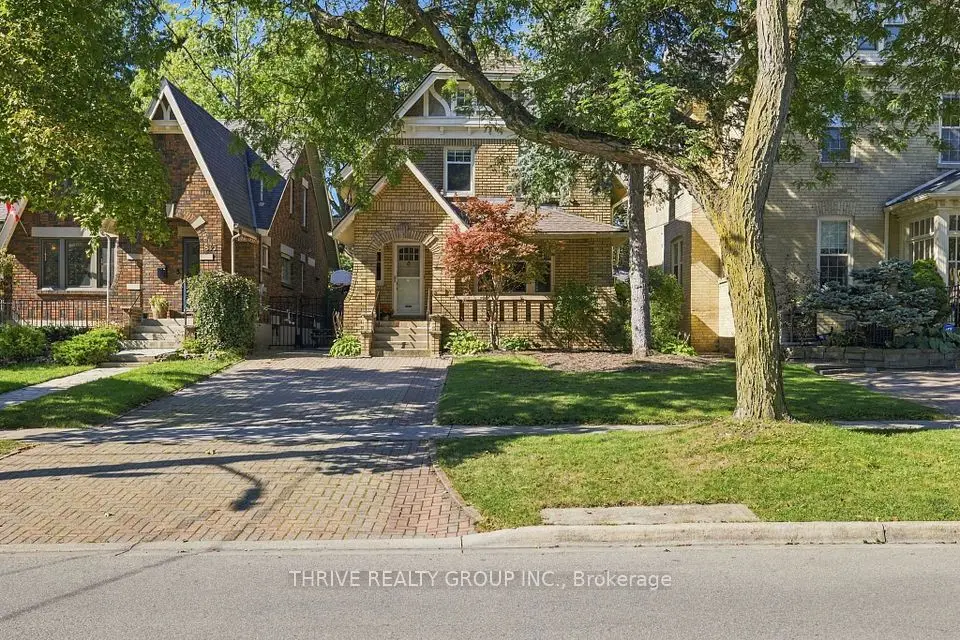
In Bishop Hellmuth the district plan counts 92% of buildings as brick and 80% with verandahs, set as one-and-a-half to two-and-a-half storey houses close together, with a network of back lanes lined by old carriage barns and early garages. Book a thorough home inspection on houses this age, and look through what's for sale in Old North today.
Every property inside the Bishop Hellmuth boundary is designated under Part V of the Ontario Heritage Act, the designating by-law is registered on title, and the designation covers the exterior only. The district plan's approval chart lists these as needing a heritage alteration permit:
Routine maintenance, painting, re-roofing, eavestroughs, soffits and fascias are not on the list, and the City's supplementary heritage guidelines confirm that asphalt-for-asphalt re-roofing needs no permit anywhere in London. The heritage permit comes before any building permit, and staff can approve applications that fit the plan. Talk to a City heritage planner before you set a budget, and read up on buying in a heritage district.
St. George-Grosvenor is a different case. A 2016 study for the City recommended two heritage districts there, a Gibbons Park district and a Great Talbot district, so check the City's current list of heritage conservation districts before you rely on either. Individual houses anywhere in Old North can still be designated or listed on the City's Register of Cultural Heritage Resources.
Close enough to shape daily life. Gibbons Park, at 2A Grosvenor Street, has three tennis courts, play structures, a spray pad, washrooms and paved paths, and Gibbons Pool next door at 2B Grosvenor is a heated 25-metre lap pool with diving boards.
The Thames Valley Parkway, the City's main multi-use path, is 45 km of asphalt between 2.4 and 4 metres wide. The City's neighbourhood page notes a major stretch runs through Gibbons Park, with a pedestrian bridge across the river to Waldorf Park and University Heights in the Medway district.
Smaller parks fill the gaps: Doidge Park at 300 Cromwell Street (a tennis court, a play structure and tobogganing hills across from St. Joseph's Hospital), Broughdale Park at 246 Epworth Avenue, Ross Park at 1250 Richmond Street, Huron Street Woods at 500 Huron Street, and the North London Athletic Fields at 1225 Adelaide Street North with three soccer fields and three ball diamonds.
Three elementary schools. The Thames Valley District School Board runs Old North Public School at 940 Waterloo Street and St. George's Public School at 782 Waterloo Street, inside Bishop Hellmuth. The London District Catholic School Board runs St. Michael Catholic School at 926 Maitland Street. For high school, the City's neighbourhood page names Central, H.B. Beal and Catholic Central as nearby. Boundaries change, so confirm any address with the TVDSB and LDCSB school locators.
King's University College is at 1070 Waterloo Street and St. Peter's Seminary is in Broughdale, while Western's main campus sits across the river.
Western, founded on March 7, 1878 by Bishop Isaac Hellmuth, enrols tens of thousands of students. It shows in the census: in 2016, 18% of Old North's working residents walked or cycled to work, against 6% in Medway across the river, and 45% of homes were rented.
The London Plan gives the neighbourhoods around Western and Fanshawe College their own Near-Campus Neighbourhoods policies. It calls them extremely valuable neighbourhoods with an outstanding stock of heritage buildings, and aims to add housing in chosen locations rather than lot by lot through zoning amendments, minor variances and severances.
If you plan to rent the home out, check the City's current rules first.
Richmond Street is the spine, and London Transit buses also serve Oxford Street, Adelaide Street and the cross streets in between. Check LTC for current routes and times.
St. Joseph's Hospital is inside the district at 268 Grosvenor Street, and University Hospital is just across the river at 339 Windermere Road. The City's neighbourhood page puts the nearest shopping at Richmond and Oxford and along Adelaide, with Masonville and its mall to the north.
If you are selling in Old North instead, start with a home evaluation, and we'll show you how Old North stacks up against London's other neighbourhoods.
Something else? Ask Rob or George directly.
The City's planning map calls this district North London, while its NeighbourGood site and the local public school use Old North. When we say Old North, we mean the whole planning district: north of Oxford Street, east of the Thames and west of Adelaide Street North.
Yes. The district plan's approval chart lists replacement windows and doors as work that needs a heritage alteration permit, even when no building permit is required. The plan prefers repairing original wood sash and adding storm windows.
Check the City's current list. A 2016 study recommended a Gibbons Park district and a Great Talbot district there, and some individual houses are designated or listed, so check the address too.
Partly. King's University College and St. Peter's Seminary are inside the district, but Western's main campus is across the river in the Medway planning district. Middlesex College is under 1 km from the middle of Old North as the crow flies.
Possibly, but check zoning first. In Bishop Hellmuth a conversion also needs a heritage alteration permit, and the plan prefers a new interior stair over an exterior one and parking at the side or rear of the lot.
Call Rob or George directly, or send a message and one of them will get back to you. A home evaluation is free and prepared by a person, never a formula.