
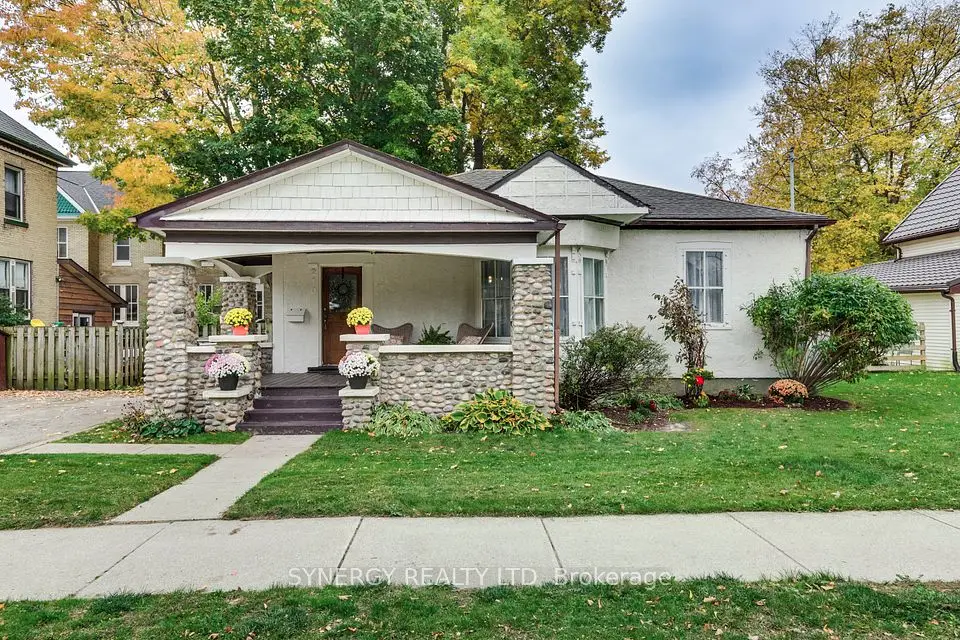
Open Sat, Oct 17, 1:00 pm
$395,000
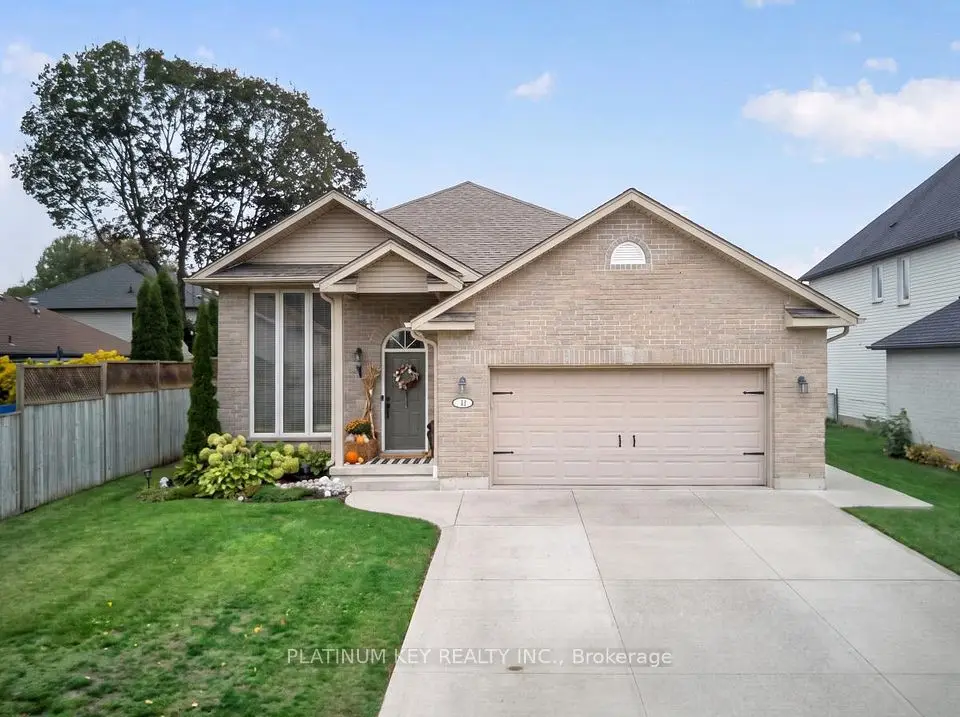
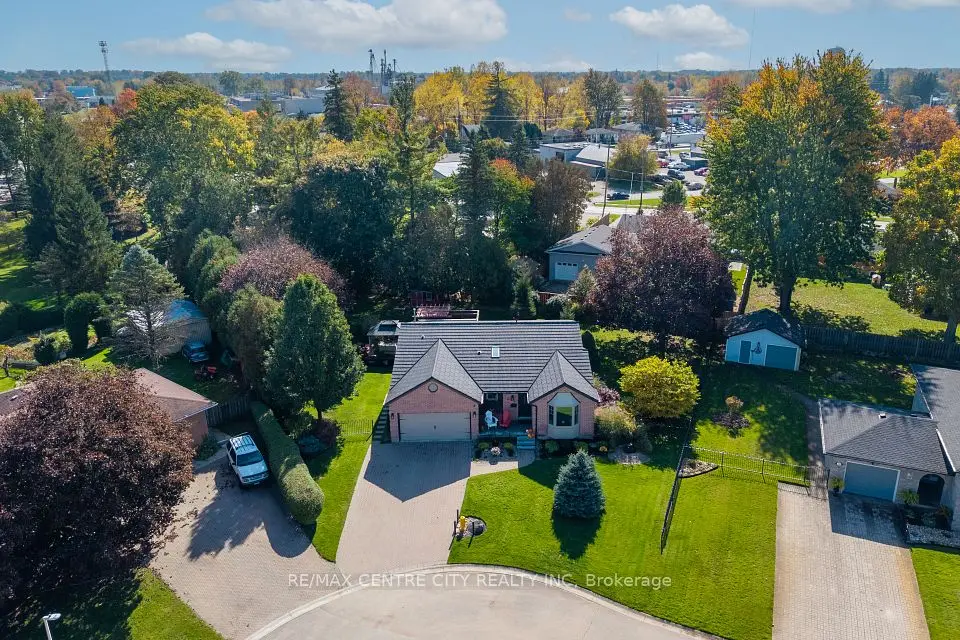
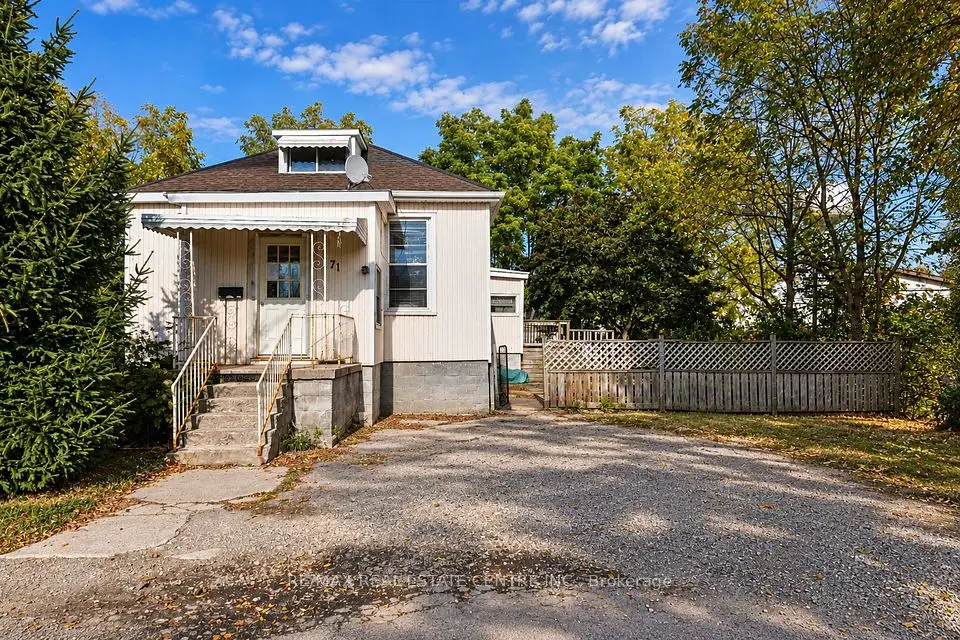
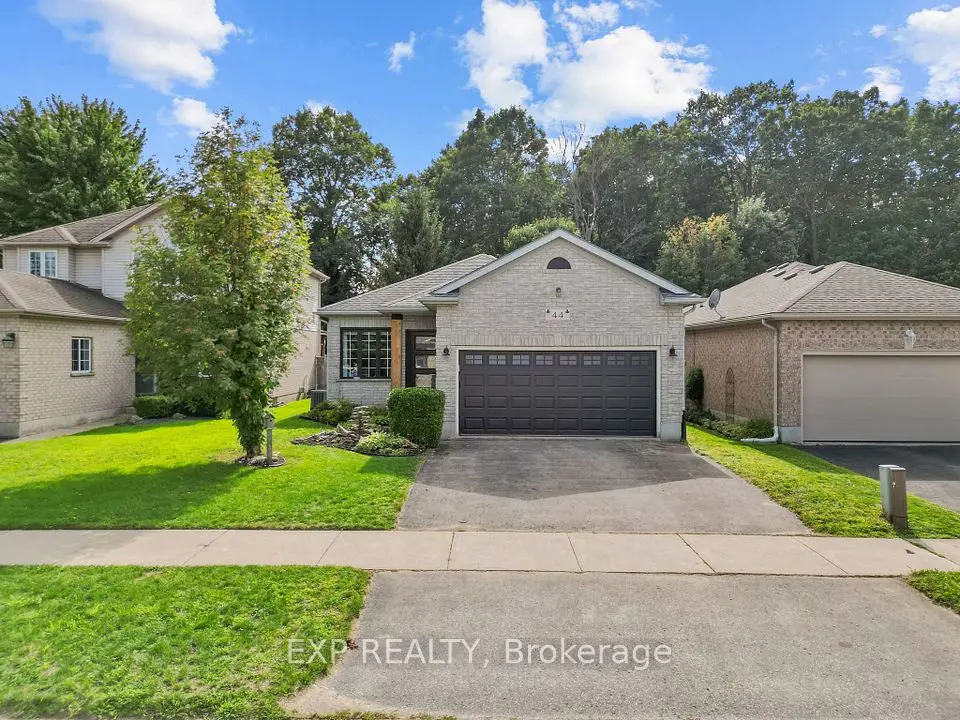
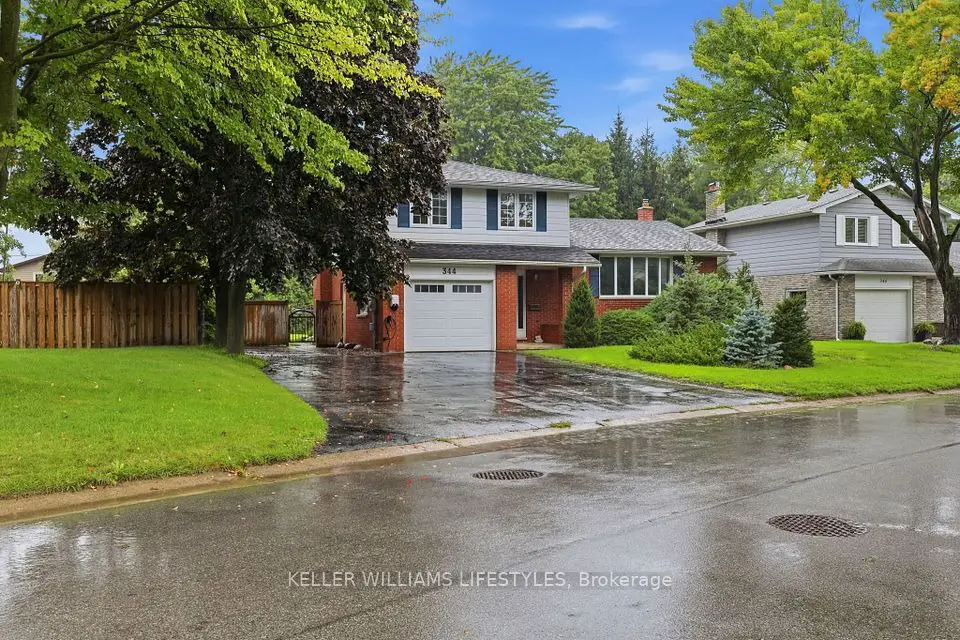
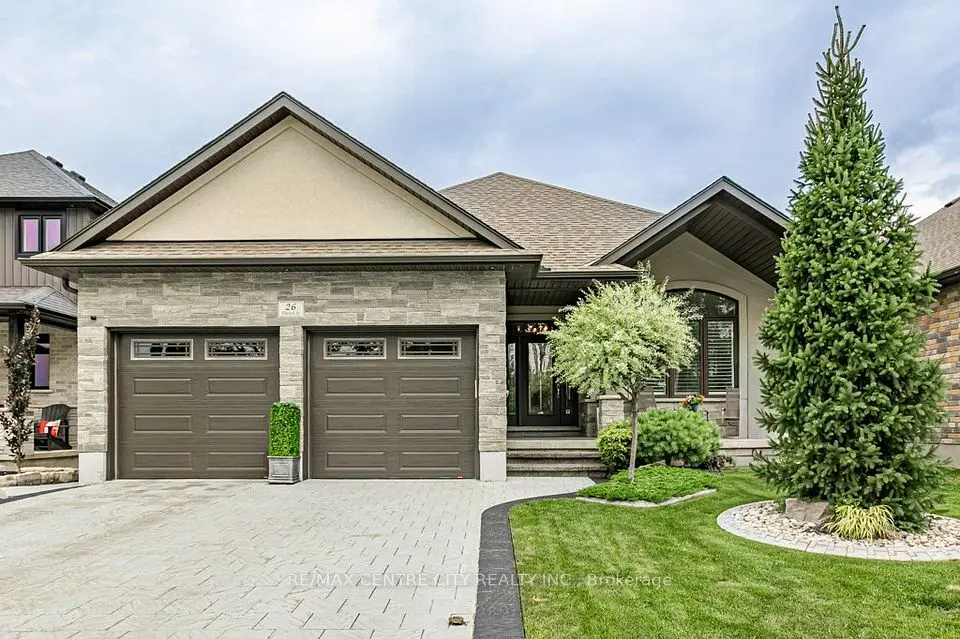
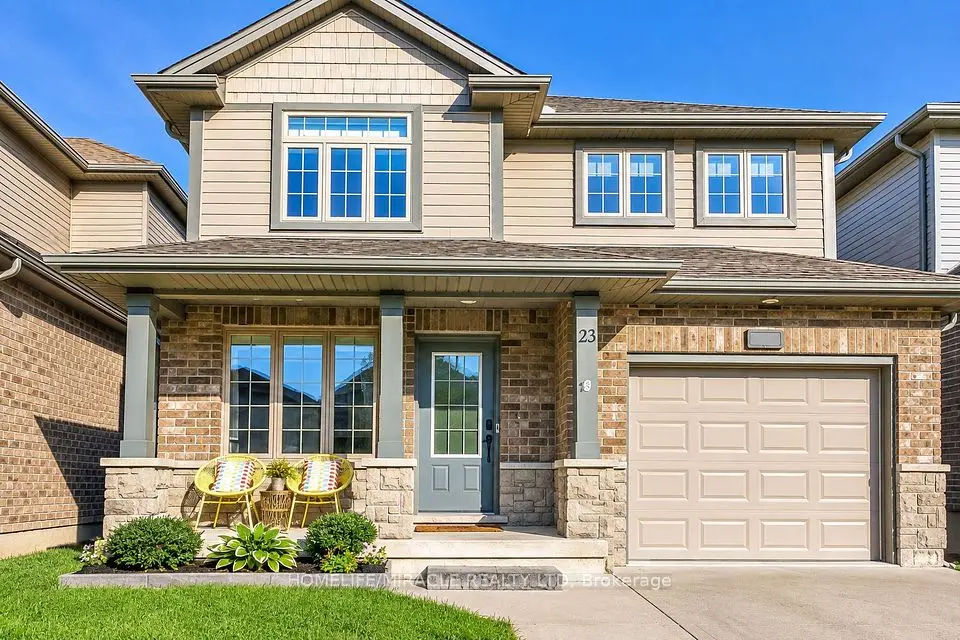
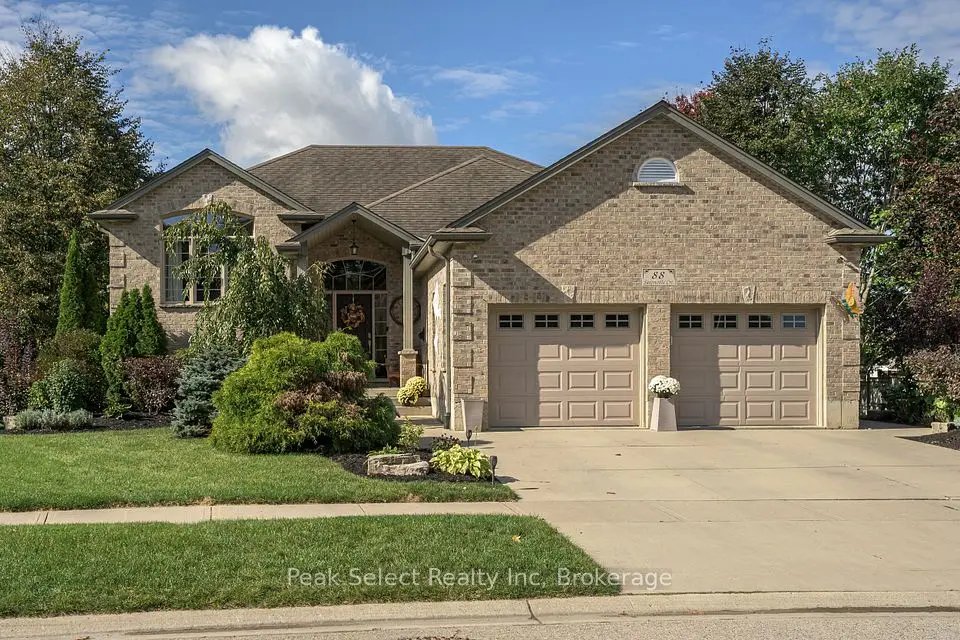
Showing 1-9 of 9 active listings
Browse Strathroy by home type
Listing data provided under copyright by the London and St. Thomas Association of REALTORS® and other participating boards via PropTx Amplify Syndication. Information is deemed reliable but not guaranteed accurate. Only active listings are shown.
Strathroy started with water power. John Stewart Buchanan, an Irish settler, built a house and a small grist mill on the Sydenham River in 1832 and named the place after his home estate in Omagh, County Tyrone. The Great Western Railway reached town in the 1850s, Strathroy became a village in 1860 and a town in 1870, and in 2001 it merged with Caradoc Township to form the Municipality of Strathroy-Caradoc. The municipality notes that Hungarian, Portuguese and Dutch families arrived in large numbers after the World Wars, and it describes Strathroy-Caradoc as the major service provider for western Middlesex and eastern Lambton.
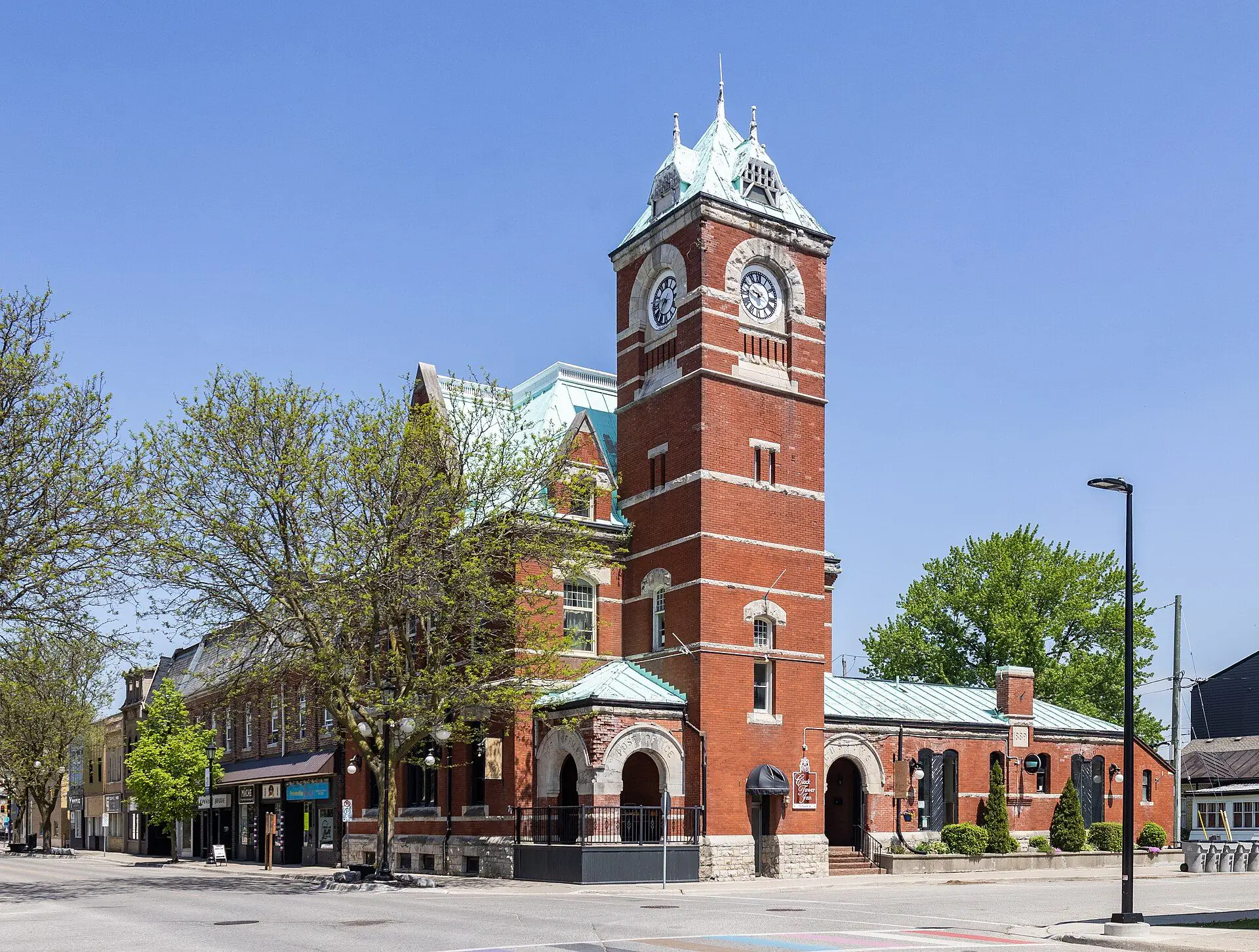
You can read that history in the downtown brick. The Strathroy BIA's heritage walk takes in the 1862 Commercial Hotel at 2-6 Front Street West, the 1905 Bank of Commerce at 51 Front Street West, the 1890 post office and customs house at 71 Frank Street, the 1891 Lyceum Theatre block at 79-87 Frank Street and the Town Hall at 52 Frank Street, finished in 1928 and still the centre of local government. Down by the river, the original mill stone from Buchanan's mill pond sits beside the trail, and paddlers on the Sydenham pass under the old stone bridge built for the Great Western line.
Detached houses dominate, but not as completely as in the surrounding villages. In the 2021 Census the Strathroy population centre counted 6,555 occupied private dwellings, and roughly three in four households owned their home. The census counted no apartments in buildings of five storeys or more, so the apartment stock was all low-rise, and only about 7% of households were in a condominium.
The age profile is layered rather than new. About a fifth of homes were built in 1960 or earlier, another quarter between 1961 and 1980, and roughly a quarter since 2001, including about one in ten finished between 2016 and 2021 as the town grew 10.7% in five years (14,505 to 16,056 people). So a search here can turn up anything from a pre-1960 house to one only a few years old. On the north side, residential streets such as Riverview Drive, Deruiter Street and Thorne Drive sit beside the Strathroy Conservation Area trail system, which is worth knowing if backing onto floodplain forest matters to you.
Figures are from the 2021 Census Profile for the Strathroy population centre. To see what is for sale now, look at the houses listed in Strathroy or everything on the market in town, on a map.
Two boards operate schools in town. The Thames Valley District School Board runs Strathroy District Collegiate Institute at 361 Second Street, plus Mary Wright Public School (JK to Grade 8) at 213 Carroll Street West and North Meadows Public School at 82 Middlesex Drive. Adelaide-W.G. MacDonald Public School on School Road and Caradoc North Public School on Scotchmere Drive carry Strathroy mailing addresses but sit in the countryside outside the built-up town.
The London District Catholic School Board runs Our Lady Immaculate at 75 Head Street North, St. Vincent de Paul at 286 McKellar Street and Holy Cross Catholic Secondary School at 367 Second Street. That puts both high schools side by side on Second Street; the municipality's economic development office describes them as a joint-use secondary school where the public and Catholic boards share facilities. Boards redraw attendance areas, so check any Strathroy address in the board locators before relying on a school.
The river runs through the middle of town, and a green corridor follows it. Strathroy sits at the upstream end of the East Sydenham, which rises on the Lucan moraine near Ilderton and meets the North Sydenham at Wallaceburg. The federal species-at-risk action plan for the river notes the Sydenham watershed has the greatest diversity of freshwater mussel species of any watershed in Canada, with at least 34 mussel and 80 fish species recorded.
Alexandra Park at 154 Caradoc Street North, founded in 1901 on the former Bixel Flats, is the largest park in Strathroy-Caradoc, with the Rotary splash pad, Royals Field and an access point for the Strathroy Water Trail, an approximately 5 km paddling loop from the conservation authority office on Mill Pond Crescent down to the Strathroy Marsh off Victoria Street. On foot, the Rotary Memorial Trail links the marsh with parkland and forest all the way north to Second Street, about two hours at a walking pace, and the Strathroy Conservation Area adds a 3 km trail through floodplain forest reached from Head Street.
Highway 402 passes north of town, with interchanges at County Road 81 (Centre Road and Victoria Street) and County Road 39 (Hickory Drive). The municipality places Strathroy-Caradoc 40 kilometres west of London, and east along the 402 the Glendon Drive interchange serves Mount Brydges and Komoka.
Passenger rail still stops here. VIA Rail's London to Sarnia trains stop near the 1887 station house at 40 Metcalfe Street West, so check the current VIA timetable. Middlesex County Connect buses also serve the town; check the county's current routes and stops.
Strathroy Middlesex General Hospital at 395 Carrie Street is one of the two sites of the Middlesex Hospital Alliance, with Four Counties Health Services in Newbury. Downtown, the Strathroy branch of Middlesex County Library and Museum Strathroy-Caradoc share one building at 34 Frank Street, on the site of the 1909 armoury that came down in 1965 to make room for a new library.
Front Street and Frank Street carry the shops and restaurants, while the Gemini sports complex sits next to the two high schools on Second Street. The agricultural society founded in 1857 had bought the Metcalfe Street West fairgrounds land by 1861, the same site that now holds the arena and pool.
Most of the useful homework here is about the river and about heritage. We walk buyers through these before conditions come off, and if you are selling in town, our evaluation of your home starts with the same local detail.
Something else? Ask Rob or George directly.
Both names are in use. Strathroy was incorporated as a town in 1870, and since 2001 it has been the main community within the Municipality of Strathroy-Caradoc, which also includes Mount Brydges, Melbourne (in part) and a number of rural hamlets.
The 2021 Census counted 16,056 people in the Strathroy population centre, up from 14,505 in 2016. The whole Municipality of Strathroy-Caradoc had 23,871 residents.
There are two options. Middlesex County Connect buses serve Strathroy, and VIA Rail's London to Sarnia trains stop in town. Check both schedules against your working hours before you rely on them.
The St. Clair Region Conservation Authority, whose administration centre is right in town at 205 Mill Pond Crescent. It maintains the Strathroy Conservation Area and regulates development in the river valley and floodplain.
A few. About 7% of households were in a condominium in the 2021 Census, and the census counted all of Strathroy's apartments in buildings under five storeys. Most listings are detached houses, with semis and townhouses in between.
Buyers often compare Strathroy with Glencoe to the south-southwest and Watford to the west, both smaller villages, or with London itself, about 40 kilometres east.
Call Rob or George directly, or send a message and one of them will get back to you. A home evaluation is free and prepared by a person, never a formula.